
Buying Guides
How to choose promotional sunglasses for a campaign
Choose promotional sunglasses by matching the frame, lenses, branding, packaging and delivery plan to the campaign audience, setting, quantity and target market.Start with the campaign, not the catalog
The best promotional sunglasses are not simply the cheapest style that can carry a logo. They are the option that fits the audience, distribution setting, campaign quantity, brand presentation and delivery schedule at the same time.
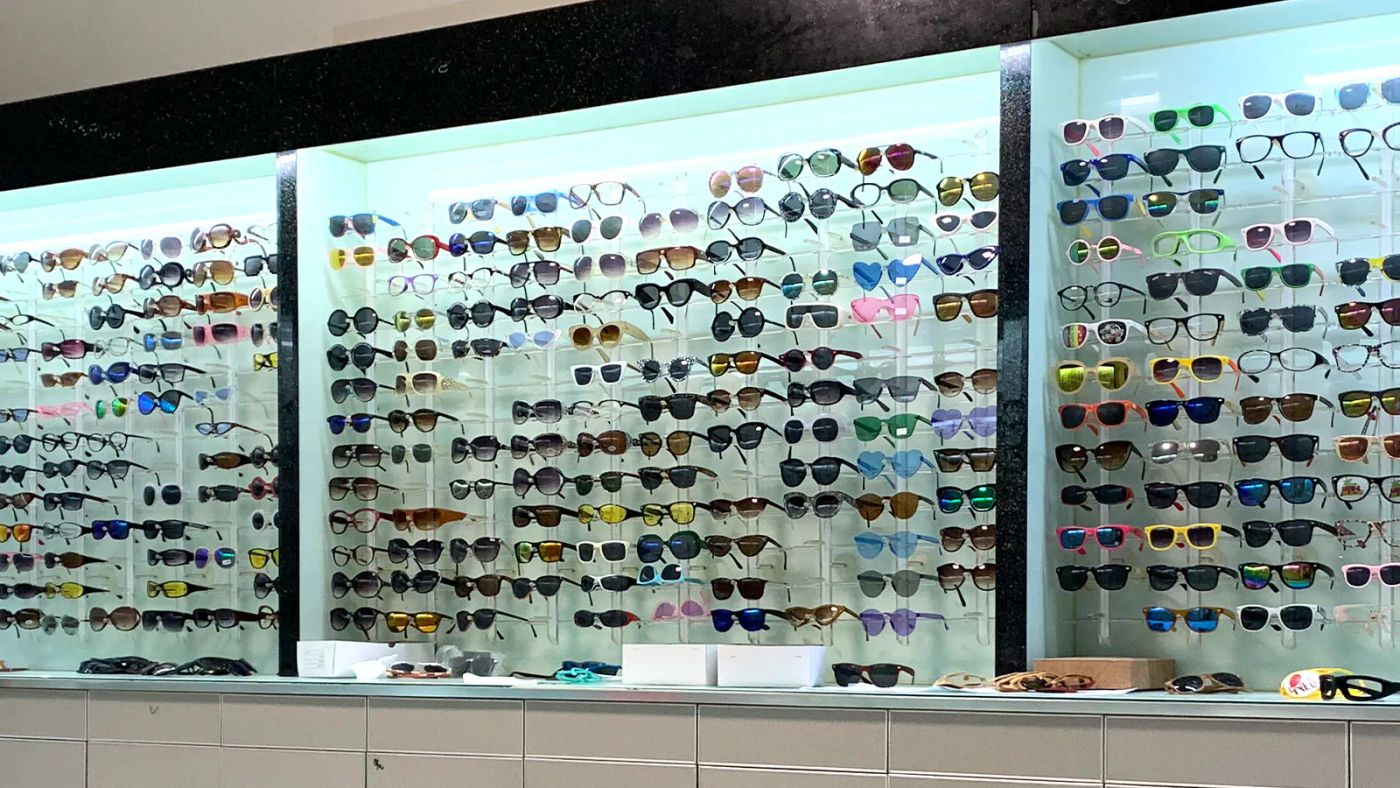
For most B2B campaigns, the selection process becomes manageable when it follows a fixed order: define the use case, estimate the required quantity, shortlist wearable frame styles, confirm lens and market requirements, plan the artwork and packaging, then lock the approval and delivery schedule. This guide explains each decision without assuming that one product or specification fits every campaign.
Before comparing products, write a one-page campaign brief. It should identify:
This prevents a common sourcing mistake: choosing a visually attractive frame before confirming whether it is suitable for the recipients, branding method or production schedule.
Match the product to the audience and use case. Audience fit affects both wearability and perceived value. A broad public giveaway usually benefits from a familiar, easy-to-wear shape. A sports event may place more emphasis on grip, coverage and stability. A premium corporate gift may require a quieter logo, a more refined finish and protective packaging.
Ask four questions:
The answers should shape the frame, lens, logo position and packaging. A large outside-temple logo may work for a short festival activation, while subtle inside-temple branding may be more appropriate for a retail-style gift.
- the campaign objective;
- the recipient group;
- where and when the sunglasses will be distributed;
- the expected quantity and reserve stock;
- the desired level of brand visibility;
- the target delivery date and destination;
- any target-market or buyer-specific testing requirements.
- Will recipients use the sunglasses during the event or take them home?
- Is the audience broad or clearly defined by age, activity or style preference?
- Is the product expected to feel like a giveaway, merchandise item or gift?
- Does the campaign value maximum logo visibility or long-term wearability more?
Calculate quantity from the distribution plan
Do not base the order only on expected attendance. Build quantity from the actual distribution model:
A written allocation plan helps prevent both shortages and unnecessary leftover stock. If the campaign has several colorways, confirm whether the supplier's minimum applies per model, per color, per logo version or to the total order. Packaging can also have a separate minimum.
At DOMI, the reference route depends on customization depth rather than one universal MOQ:
These are planning references, not unconditional promises. Product availability, color allocation, artwork, packaging, order size and the approval schedule must be checked for the specific project. The reference lead time starts after receipt of the 30% deposit and excludes international transport.
For more detail on manufacturing routes and commercial planning, see DOMI's promotional sunglasses manufacturing guide.
- number of event locations or campaign teams;
- estimated recipients at each location;
- staff, partners, VIPs and media allocations;
- replacements for transit or handling damage;
- samples and approval units;
- post-event inventory or repeat activations.
- stock-based projects can start from 100 pairs, with a reference lead time of 5–10 calendar days;
- semi-custom projects based on an existing frame can start from 300 pairs, with a reference lead time of 20–30 calendar days;
- full-custom projects requiring new development can start from 2,000 pairs, with a reference lead time of 40–60 calendar days.
Shortlist frames by fit, style and branding space
Frame selection should balance three factors: recipient fit, campaign aesthetics and usable decoration area.
Familiar shapes for broad distribution. Classic plastic silhouettes are often practical for mixed audiences because they are recognizable and offer usable temple space. They also support a wide range of frame colors. However, a familiar shape is not automatically a universal fit. Review frame width, bridge shape, temple length and overall weight on a physical sample.
Sport-oriented frames for active settings. For running, cycling, golf or outdoor recreation, evaluate coverage, grip, temple pressure and movement during use. Do not describe a product as protective or performance-rated unless the relevant product documents support that claim.
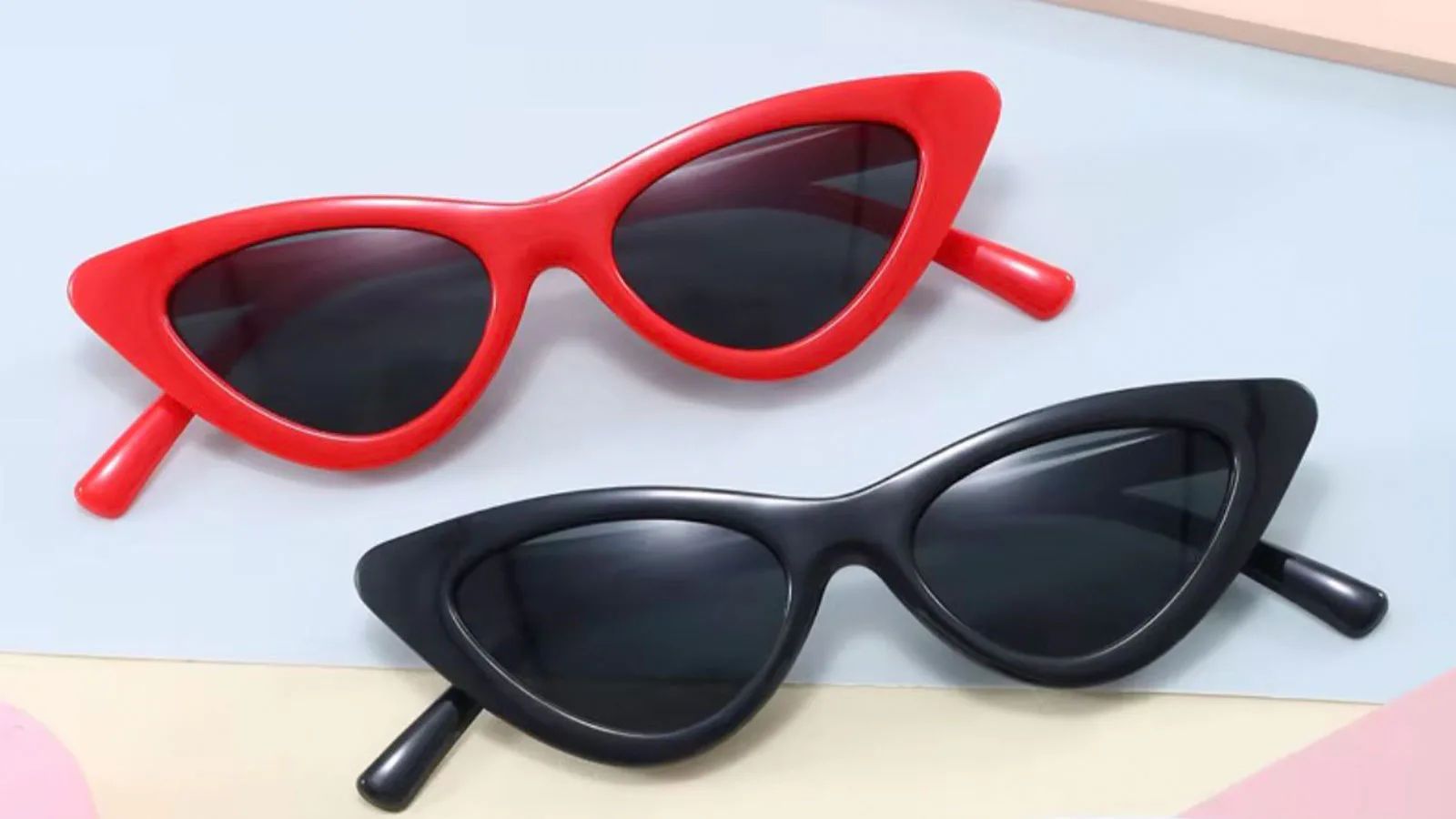
Fashion or novelty styles for visual campaigns. Distinctive shapes and colors can improve photography and social sharing, but novelty should not make the product uncomfortable or difficult to distribute. Confirm whether the design still leaves an appropriate logo area and whether the selected decoration method suits the frame surface.
A simple sample review. When reviewing samples, check:
Use the approved physical sample, not a catalog image alone, as the reference for the final order.
- comfort across more than one wearer;
- hinge movement and temple alignment;
- visible surface defects;
- lens fit and stability;
- logo-area size and curvature;
- how the frame looks in normal event lighting;
- whether the folded sunglasses fit the planned packaging.
Specify lenses according to use and target market
Lens selection should begin with the intended use, target market and required documents. Lens darkness, mirror appearance or a polarized label does not by itself prove UV performance or regulatory suitability.
Consider:
DOMI can discuss gray, clear, colored, reflective and blue-light-filtering lens directions. Performance or compliance claims such as polarized, UV400, CE, FDA or drop-ball support must still be confirmed for the selected product and target market. Ask for the applicable file rather than assuming that a document for one model covers every model.
- lens color and visible light transmission appropriate to the use case;
- whether polarization is useful for glare-heavy environments;
- whether mirror, gradient or fashion tints support the campaign concept;
- the buyer's target-market testing and labeling requirements;
- the exact product-level documents available for the selected frame-and-lens combination.
Plan color and branding as one system
Frame color, lens color, logo color and packaging should be reviewed together. A logo that is clear on a white presentation slide may lose contrast on a translucent, mirrored or strongly colored product.
For color approval:
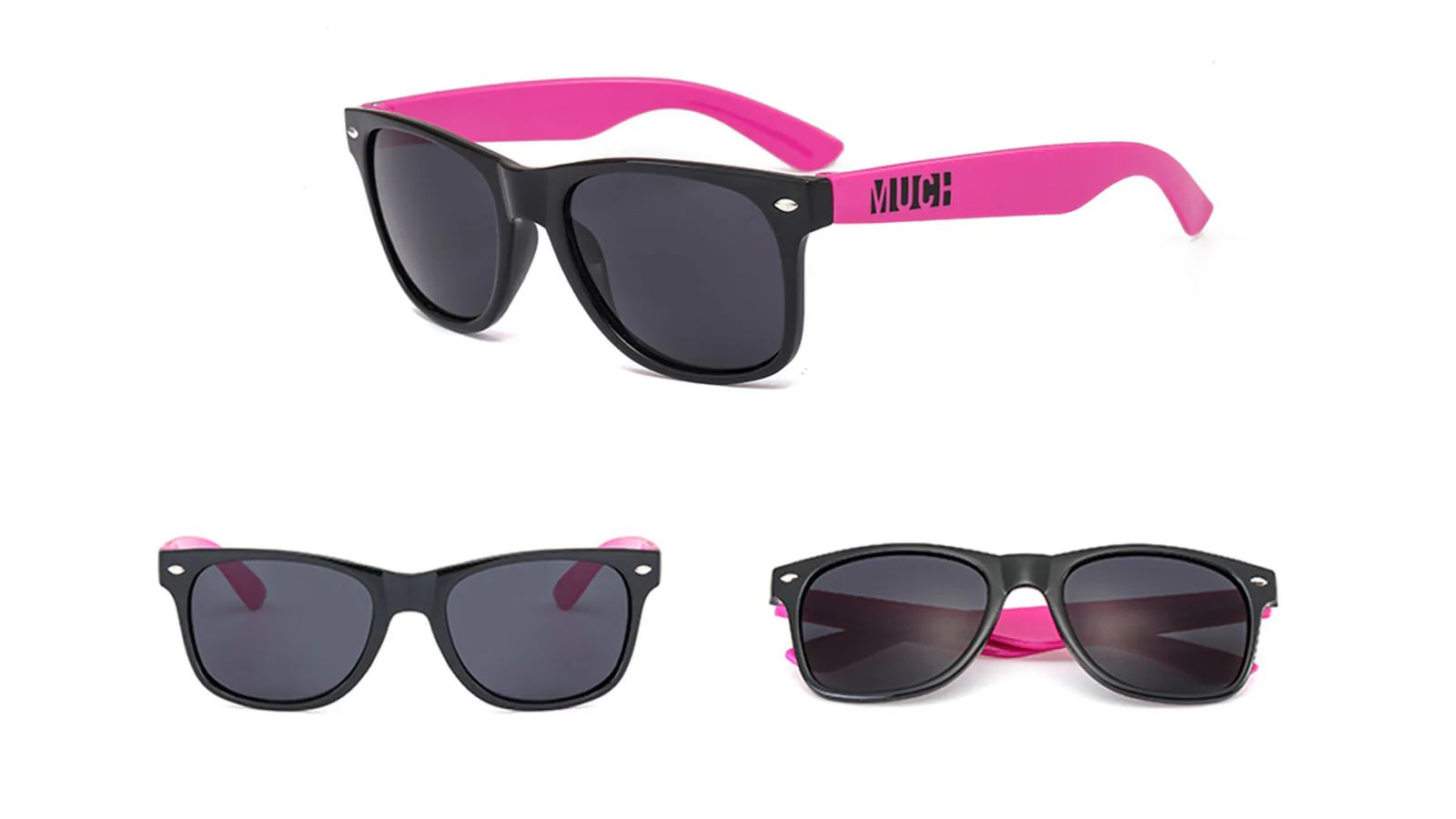
Branding options may include the outside or inside of the temple, the lens, the temple tip or an appropriate metal decoration area. Choose placement based on visibility, wearability and the actual printable surface.
DOMI generally uses screen printing for a simple single-color logo, while heat transfer is more commonly considered for large-area graphics or designs that cover much of the product. Laser engraving, pad printing and metal logos may also be possible. The final method depends on the artwork, coverage, product structure, quantity and budget.
For method selection, read the sunglasses logo printing guide. For file preparation, use the promotional sunglasses artwork requirements checklist once that page is published.
- provide a Pantone reference where a matched color is required;
- distinguish between an exact target, an acceptable range and a visual preference;
- review a physical color sample when color is brand-critical;
- evaluate the product under consistent lighting;
- record the approved frame, lens, logo and packaging colors in writing.
Decide whether packaging is protective, promotional or both
Packaging affects product condition, distribution speed and perceived value. It should be specified early because a pouch, case, printed box, sticker or hangtag can introduce separate artwork, sampling and minimum-order requirements.
Choose packaging by asking:
A simple bag may be enough for a one-day activation. A microfiber pouch or case may be more suitable when recipients are expected to keep the product. Avoid over-packaging when it adds cost and waste without improving the campaign experience.
- Does each pair need scratch protection during bulk transport?
- Will staff distribute products individually or as part of a kit?
- Is the packaging another branding surface?
- Does the product need a barcode, SKU label or campaign instruction card?
- How much packing volume can the campaign accept?
Build the approval and delivery schedule backwards
The event date is not the production start date. Build backwards from the date the goods must be available at the distribution location.
Include time for:
The buyer should identify one final approver and consolidate feedback. Multiple uncoordinated comments can delay the project even when the factory schedule is available.
- product and quantity confirmation;
- artwork preparation and supplier feasibility review;
- digital proof approval;
- physical sample or pre-production sample when required;
- sample feedback and revision;
- bulk production and inspection;
- packaging and export preparation;
- international transport, customs and local delivery;
- a practical contingency buffer.
Use a written campaign handoff checklist
Before the supplier begins sampling or production, confirm that the handoff contains:
This handoff is more useful than a long email chain because it gives both teams one controlled reference.
- campaign name and intended use;
- selected product code or approved reference sample;
- order quantity by model, color and logo version;
- frame and lens specifications;
- artwork files and placement instructions;
- Pantone or other color references;
- packaging, labeling and carton requirements;
- target market and required documents;
- delivery destination and required arrival date;
- named approvers for product, artwork and sample;
- a record of the approved proof and physical sample.
Common selection mistakes
Choosing only by unit price. The lowest product price may exclude decoration setup, packaging, sampling, testing, freight or duties. Compare quotations on the same scope.
Treating a rendering as a production proof. A marketing mockup shows the concept. A production proof should show the exact logo size, position, color and product orientation. A physical sample is still advisable when fit, color or print quality is important.
Assuming every model has the same documents. Testing and declarations can depend on the product, lens configuration and target market. Verify applicability before making a public claim or approving shipment.
Leaving logistics until after production. Packaging volume, shipping method, destination and customs documents affect the schedule. Confirm them before the bulk order is locked.
Final decision rule
Choose the sunglasses that make the campaign easiest to execute reliably: appropriate for the audience, clear in brand presentation, supported by the required product documents and realistic for the quantity and schedule. If two options look equally attractive, select the one with the simpler approval path and lower delivery risk.
When the brief is ready, DOMI can review the product route, artwork, quantity, packaging and schedule through the project inquiry form.
FREQUENTLY ASKED QUESTIONS
Questions Buyers Often Ask
What is the safest frame choice for a broad promotional campaign?
A familiar, lightweight frame with a usable temple area is often a practical starting point. The final choice should still be tested on several wearers and checked against the campaign's audience, logo and packaging.
Should promotional sunglasses always use polarized lenses?
No. Polarization can be valuable for glare-heavy activities, but it is not automatically necessary for every giveaway. Decide from the use case, budget and available product documentation.
How many colors should a campaign order?
Use the fewest colorways that still serve the campaign concept and audience. More colors create additional allocation, approval and minimum-order complexity. Confirm whether the MOQ applies per color.
Is a digital proof enough?
It may be enough for a simple repeat order on a previously approved product. For a new frame, new color, new decoration method or important event, a physical sample provides stronger control.
What should be approved before bulk production?
Approve the product, color, lens, logo size and position, decoration method, packaging, labels, applicable documents and delivery plan. Keep the final approval in writing.
When should a buyer contact a supplier?
As soon as the audience, approximate quantity, target date and branding direction are known. Early review provides more room for samples, revisions and logistics planning.
PLANNING A SUNGLASSES PROJECT?
Turn the Guide Into a Clear Project Brief
Send DOMI your target style, quantity, artwork and delivery requirements.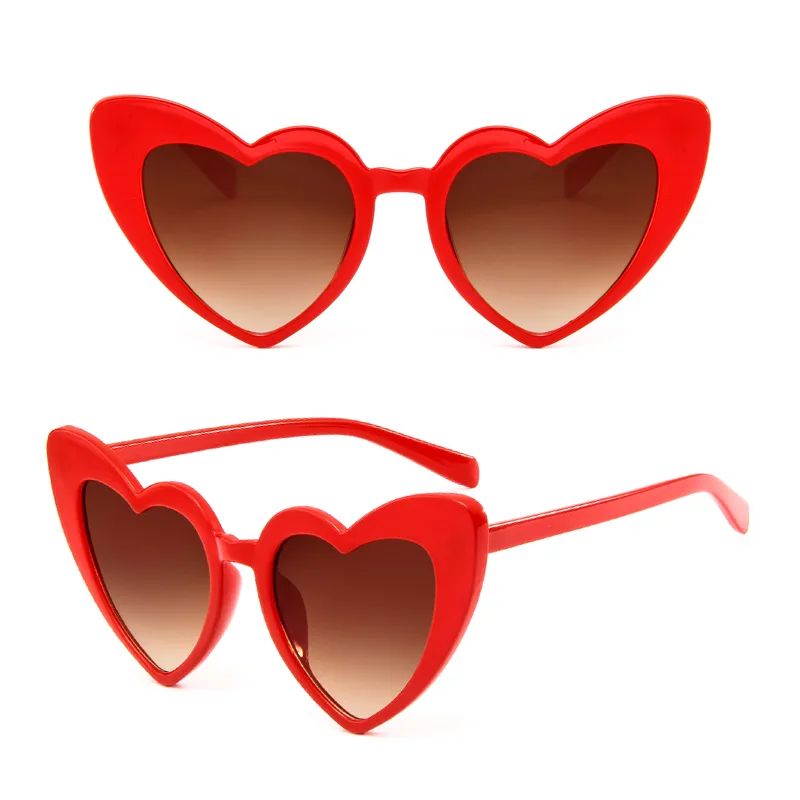
Customization
Sunglasses Logo Printing Guide: Methods, Placement & Artwork
Read article →
Manufacturing & Quality
Custom Sunglasses MOQ Guide
Read article →
Buying Guides