
Manufacturing & Quality
How OEM Sunglasses Manufacturers Ensure Color Consistency in Mass Production
Color consistency in mass-produced sunglasses depends on a documented reference, stable material batches, controlled process conditions, agreed lighting, and checks from first article through reorder. This guide shows B2B buyers what to specify, verify, and audit without relying on unsupported universal tolerances.Why color changes across substrates, finishes and lighting
Color is one of the first things a wearer notices and one of the hardest attributes to reproduce consistently across a sunglasses order. A frame that looks right in a pre-production sample can shift in the first bulk run, drift again in a reorder, or appear different under another lighting environment.
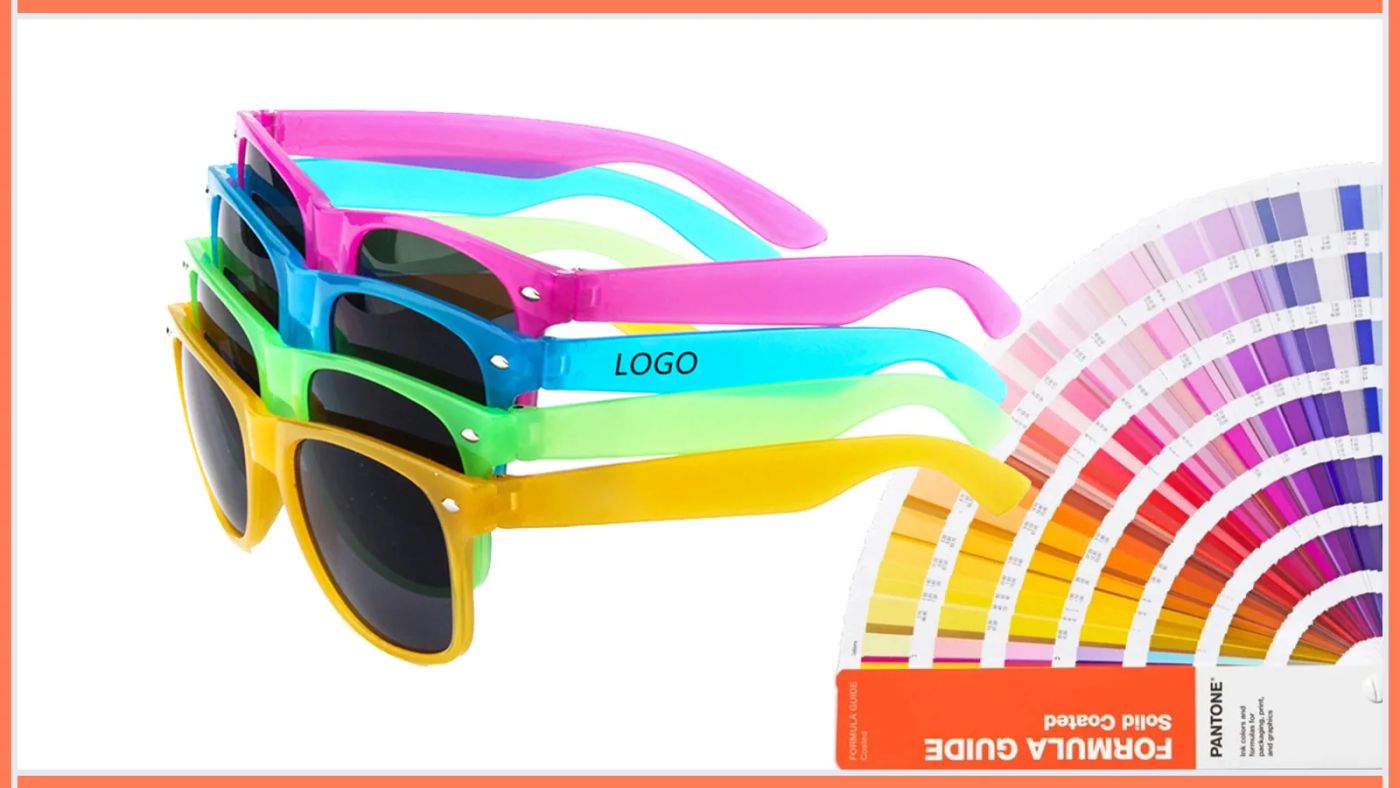
For B2B buyers, understanding where variation enters the process is more useful than any general promise of perfect matching. The practical objective is controlled, documented, repeatable color within limits both parties have agreed in advance.
Sunglasses combine multiple substrates and finishes, and each responds differently. Injection-molded frames depend on resin and masterbatch conditions; acetate depends on sheet batch and finishing; metal parts depend on surface treatment; and lenses depend on tinting or coating conditions.
Human perception also changes with lighting. A part reviewed under warm shop lighting can look different under daylight or cool LED. The approved reference and review conditions therefore need to be defined together.
- Injection-molded frames (typically TR90, nylon, or polycarbonate) receive color from masterbatch pellets. Small changes in dosing ratio, screw temperature, cycle time, or resin lot can shift the finished hue.
- Acetate frames are cut from sheet stock. Color is built into the sheet itself, meaning the mill batch, sheet position, and polishing depth all influence final appearance.
- Metal components rely on surface treatments — electroplating, PVD, IP coating, or paint — where bath chemistry, current density, and cure conditions drive the final tone.
- Lenses receive color through mass tinting, dip tinting, or coatings. Tint depth varies with immersion time, bath concentration, and lens curvature.
- Prints, pad printing, and laser marks on temples or packaging introduce yet another color system.
Defining an approved reference
Color control begins before any production runs. Without a clear reference, there is nothing to check bulk output against.
Common reference formats:
The strongest practice is to combine them: a Pantone value for initial direction, plus one or more approved physical samples signed by both sides, plus written notes on gloss level, transparency, and any deliberate variation (for example, natural marbling in acetate).
- Pantone chips (solid coated / uncoated / TPG / TCX) — useful for initial communication but limited, because a Pantone chip is printed on paper and cannot fully represent how a color will look on acetate, injected plastic, or a metal finish.
- Material-specific physical samples — a signed and dated frame arm, acetate swatch, plated hardware coupon, or tinted lens supplied by the factory and approved by the buyer. This is generally the most reliable reference for sunglasses.
- Digital color values (Lab, RGB, hex) — helpful for records but should not be the sole reference for physical goods.
Pantone versus material-specific samples
Pantone systems are widely used because they give buyers and factories a shared vocabulary. However:
For sunglasses, treat Pantone as target direction and the physical approved sample as the binding reference. Any RFQ should state which one governs if the two disagree.
- A Pantone chip and a molded plastic part reflect and absorb light differently.
- Transparent and translucent colors cannot be fully represented by an opaque chip.
- Metallic and pearlescent effects are outside the range of standard Pantone books.
Instrumental measurement as an optional documented method
Some factories use spectrophotometers or colorimeters to record numerical color values (typically in the CIE Lab color space) and compare production output against the approved sample. The commonly cited metric is Delta E — a single number describing the perceived difference between two colors.
Instrumental measurement can be useful because it produces objective, archivable data. However, buyers should be cautious about universal claims:
Instrumental methods are a supporting tool. They do not replace side-by-side visual review under agreed lighting.
- Instrumental readings are most reliable on flat, opaque, uniform surfaces. Curved, glossy, translucent, or textured sunglasses parts can give inconsistent readings.
- There is no single Delta E value that is "acceptable" across all products. The right tolerance depends on the material, finish, and end use.
- A factory that offers instrumental measurement should be able to explain what device is used, on what part of the frame, under what geometry, and how the tolerance was agreed — not simply state a number.
Raw-material and batch control
Most bulk color issues trace back to input materials. Practical controls a factory can apply include:
For buyers, the relevant question is not "do you control raw materials" — every factory will say yes — but "can you show me the lot records for a recent order and explain what you would do if a new masterbatch lot did not match?"
- Locking the masterbatch or pigment supplier for a given color, and recording lot numbers used in each production run.
- Reserving acetate sheet from the same mill batch for a single order where possible, and noting sheet identifiers.
- Pre-production color check on the actual resin or sheet before mold or cutting starts.
- Segregating leftover material by lot so it is not silently blended into a later order.
Process parameters that influence color
Once inputs are stable, the process itself becomes the variable. Different construction methods have different sensitivities:
Molded plastic frames
Acetate frames
Metal finishes
Lenses
Each of these can be documented in a production run sheet. Buyers do not need to specify parameters themselves, but they can ask whether run sheets exist and whether they are retained per order.
- Dosing ratio of masterbatch to base resin
- Barrel and nozzle temperatures
- Residence time and cycle time
- Purging between color changeovers
- Sheet selection and orientation (for patterned material)
- Polishing depth, which can expose deeper or shallower color layers
- Tumbling media and duration
- Bath composition and age for plating
- Target coating thickness
- PVD chamber loading and process time
- Consistency of base polishing before coating
- Tint bath concentration and temperature
First-article and in-process checks
A well-structured production flow includes color checkpoints at defined stages:
Buyers should ask whether these checkpoints are recorded and whether records are available for review. A factory that keeps signed color-check sheets tied to work orders has a stronger system than one that relies on verbal confirmation.
For an overview of how these checkpoints fit into a broader quality flow, see the DOMI manufacturing and quality overview.
- First article — the first frames off the line are compared against the approved sample under agreed lighting, before the run continues.
- In-process checks — periodic pulls during the run, particularly around shift changes, material top-ups, or coating bath adjustments.
- Final inspection — sampling from finished, assembled goods, again against the same approved reference.
Left/right lens pairing
Pairing is a specific and common failure mode. Two lenses tinted or coated in different racks, on different days, or in different chambers can each be within tolerance individually and yet visibly mismatched when installed in the same frame.
Practical mitigations:
Ask any prospective supplier how they handle pairing and what happens to unpaired lenses at the end of a run.
- Tint or coat both lenses of a pair in the same batch.
- Pair lenses physically before assembly and re-check under light.
- Reject and re-pair rather than mix leftover singles from different batches.
Packaging color
Boxes, pouches, cleaning cloths, and hangtags are often produced by separate print vendors and are frequently overlooked in color reviews. Common issues:
For private-label programs, treat packaging color with the same discipline as the product itself: approved samples, documented references, and inspection against those references at goods-in.
- Printed box color drifting between reprints
- Foil stamping tone changing with foil supplier lots
- Pouch dye lots varying between orders
Reorders and change control
Color problems in reorders are often more visible than in first runs, because the buyer now has original stock to compare against. To reduce reorder drift:
A defined change-control step — where the factory must notify the buyer before switching any color-critical input — is more valuable than any general assurance.
- Retain the original signed reference sample on both sides.
- Record masterbatch, acetate mill batch, plating supplier, and lens tint supplier from the first run.
- Confirm in writing whether any input has changed before the reorder starts.
- Run a pre-production color sample against the retained reference, not only against internal factory records.
Buyer RFQ and specification checklist
When issuing an RFQ, include:
A structured RFQ is easier to compare across suppliers and reduces ambiguity later. The custom sunglasses manufacturing guide and the OEM sunglasses project checklist both cover how color specifications fit into a broader technical package.
- Product construction (injected, acetate, metal, combination)
- Target color reference (Pantone plus intended physical sample)
- Which reference governs in case of conflict
- Gloss or finish level
- Lens tint description and transmittance category if relevant
- Whether instrumental measurement is required and, if so, on which parts
- Packaging color references
- Requirement to retain lot records and provide them on request
Sample-to-bulk approval workflow
A workable approval sequence:
Skipping the pre-production step is a frequent source of disputes. It is the last low-cost opportunity to catch drift before the full order is committed.

- Color direction: Buyer supplies a Pantone reference, image, or existing product.
- Material sample: Factory produces initial color samples in the actual production material.
- Review: Buyer checks the samples under agreed lighting and approves or requests revision.
- Reference lock: Both parties sign and retain approved samples.
- Pre-production check: Factory produces a sample from the intended bulk materials.
- Bulk approval: Buyer compares that sample with the earlier signed reference.
- Production start: Bulk production begins with a documented first-article check.
- Final inspection: Finished goods are checked against the same approved samples.
Common failure signals
Watch for these indicators in samples and shipments:
Any of these deserves investigation upstream — usually in materials or process, not final inspection.
- Visible left/right lens mismatch under daylight
- Color shift between temple and front on the same frame
- Batch-to-batch drift visible when new stock is placed next to older stock
- Gloss variation on plated or painted metal parts
- Print or foil color on packaging that does not match the frame family
- Marbled acetate patterns that differ significantly between units
Practical questions for a factory audit
During an audit or supplier visit, useful questions include:
A structured audit approach is covered further in the sunglasses factory audit checklist.
- How do you record and retain approved color samples?
- What lighting is used for color review, and where is that area?
- Do you use instrumental measurement? On what parts, and how is tolerance agreed?
- How are masterbatch and acetate lots recorded per order?
- What is your process when a new material lot does not match the approved sample?
- How do you handle lens pairing and rejected singles?
- How are reorders checked against original references?
- Can I see color-check records from a recent order?
Compliance considerations
Color itself is not usually a regulated attribute, but related items may be depending on the destination market — for example, restrictions on certain pigments or heavy metals in coatings, or lens transmittance categories for sun protection labeling. Requirements vary by country and product category, so treat compliance as a market-specific conversation rather than a universal checklist, and confirm current rules with your own regulatory advisor.
Where DOMI fits
DOMI Eyewear is a China-based B2B sunglasses manufacturer that has been operating since 2008, with more than 300 existing molds and annual capacity of around 5 million pairs, supporting custom, OEM, ODM, and private-label programs. For color-critical projects, the practical value of any supplier — DOMI included — lies in whether the approval and traceability system described above is actually applied to your order, and whether records are available when you ask for them. Buyers evaluating capacity, tooling, and MOQ trade-offs alongside color control may also find the custom sunglasses MOQ guide useful.
FREQUENTLY ASKED QUESTIONS
Questions Buyers Often Ask
Is Pantone matching enough for sunglasses color approval?
Usually not on its own. Pantone is useful for direction, but a signed physical sample in the actual production material is a more reliable binding reference. State which reference governs if they differ.
Can a factory guarantee zero color variation between units?
No responsible factory should make that promise. Multi-material products and different lighting conditions make some variation unavoidable. The realistic goal is documented, repeatable color within agreed limits.
What is a reasonable Delta E tolerance for sunglasses?
There is no universal value. The appropriate tolerance depends on material, finish, measurement method, and end use. Agree it against a physical sample rather than adopting a generic figure.
How do I reduce color drift on reorders?
Retain the signed original sample, record color-critical inputs from the first run, require notification of input changes, and approve a pre-production sample against the original reference before bulk production.
Who is responsible if bulk color does not match the approved sample?
Responsibility should be defined in the purchase agreement. The supplier should match the signed reference within the agreed tolerance, while the buyer should provide a clear reference and review method.
PLANNING A SUNGLASSES PROJECT?
Turn the Guide Into a Clear Project Brief
Send DOMI your target style, quantity, artwork and delivery requirements.
Manufacturing & Quality
Sunglasses Factory Audit Checklist
Read article →
Manufacturing & Quality
Custom Sunglasses MOQ Guide
Read article →
Customization