
Buying Guides
OEM Sunglasses Project Checklist: What to Prepare Before Sampling
Use this practical checklist to prepare product specifications, artwork, packaging, approvals, quality requirements and a production-ready OEM sunglasses brief.Choose the Right Development Route
An OEM sunglasses project moves faster when the buyer and manufacturer are working from the same set of decisions. A reference photo and a target quantity may be enough to start a conversation, but they are rarely enough to produce a reliable quotation, approve a sample or control changes during production.
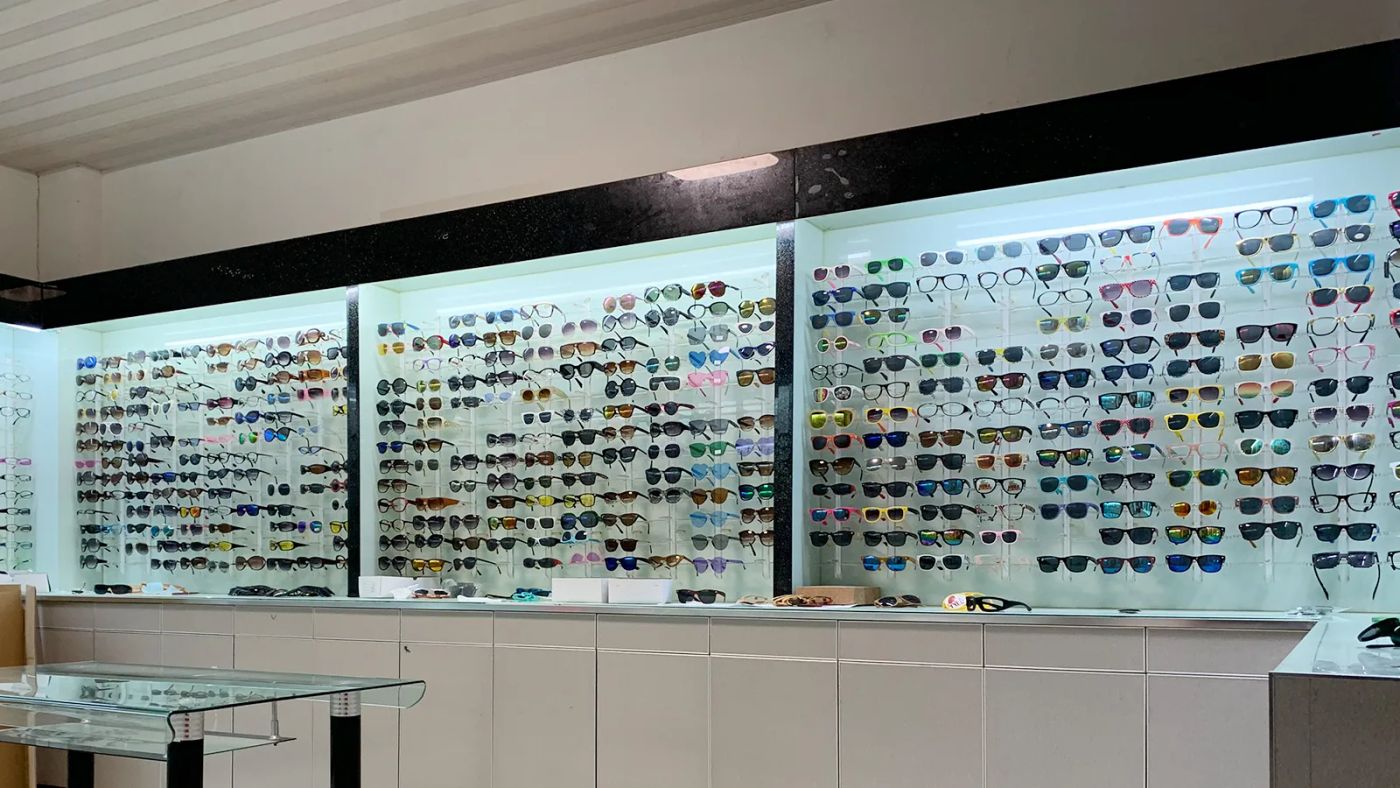
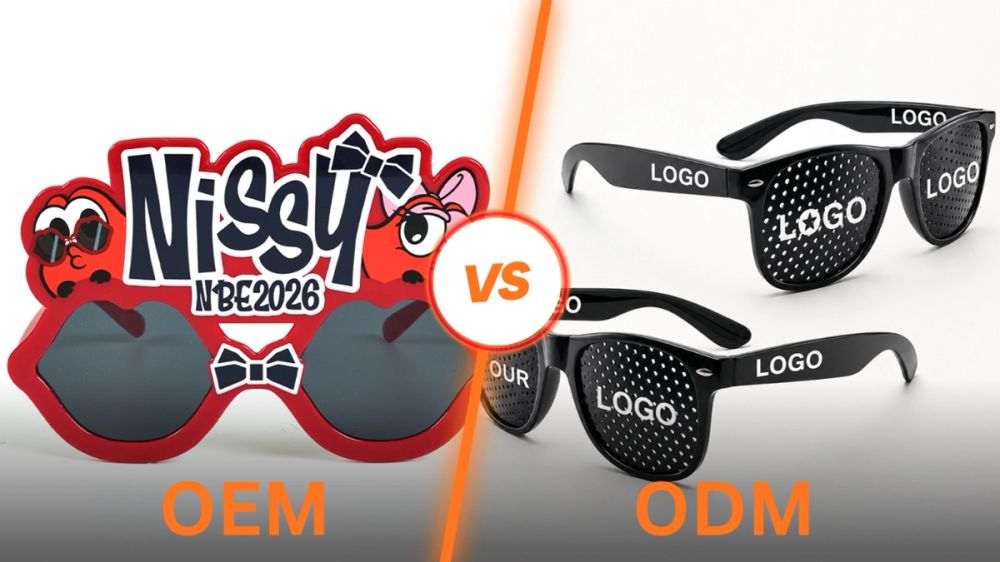
The word “OEM” is often used broadly in sourcing, but not every custom sunglasses project needs a new frame mold. Start by defining how much of the product will change. This decision affects the information the factory needs, the expected MOQ, the sampling path and the planning timeline.
This checklist is a working handoff document rather than a substitute for a factory feasibility review. Mark each item as confirmed, open or not applicable, and assign an owner to every unresolved decision.
| Development route | Typical scope | Use it when |
|---|---|---|
| Ready-stock customization | Choose an available style and color, then add approved logo and packaging options. | You need a relatively small quantity and the base product already fits the project. |
| Semi-custom | Use an existing frame and customize selected elements such as color, lenses, logo, logo position and packaging. | You want a branded product without developing a completely new frame. |
| Full custom | Develop a new product from drawings or a design concept, confirm the 3D solution, create tooling where required, approve samples and then produce in bulk. | The frame shape or construction cannot be achieved with a suitable existing model. |
The commercial label matters less than documenting which parts are existing, modified or newly developed.
Define the Market, Quantity and Project Scope
A useful project brief starts with business context. The same frame may need different labeling, documentation, packaging or timing depending on where and how it will be sold. Give the manufacturer enough context to evaluate the whole project rather than quote only the physical frame.
Quantity must be broken down at the SKU and color level. A project described only as “1,000 pairs” can still be unclear if it contains five frame colors, two lens options and several packaging versions. Ask whether the MOQ applies per order, per model, per color or per decoration setup.
- Destination market or markets, including the country where the product will be sold or distributed.
- Buyer type and sales channel, such as retail, wholesale, promotional campaign, event, gift program or private-label collection.
- Intended user and use case. Avoid sports, polarized, UV or children’s claims until the relevant specifications and evidence are confirmed.
- Target launch or delivery date, plus any fixed event, campaign, retailer or warehouse deadline.
- Total quantity and the planned split by model, frame color, lens option and logo version.
- Number of SKUs and whether packaging, labels or barcodes differ by SKU.
- Target budget or price range, if available, together with what must be included in the quotation.
- The person who can approve product, artwork, packaging and commercial decisions.
Prepare Product Specifications and Design Files
A product specification does not need to be perfect before the first conversation, but it should separate confirmed requirements from preferences. Label unknown items clearly so the factory can recommend a feasible route without treating an early idea as a final production instruction.
If a material is not confirmed, describe the desired feel, weight, flexibility, appearance, price position and use case instead of guessing a resin or alloy. Mark every unverified lens or performance claim as pending confirmation.
Do not mix approved instructions with brainstorming notes in the same file. The factory should be able to identify the current specification without comparing several email threads.
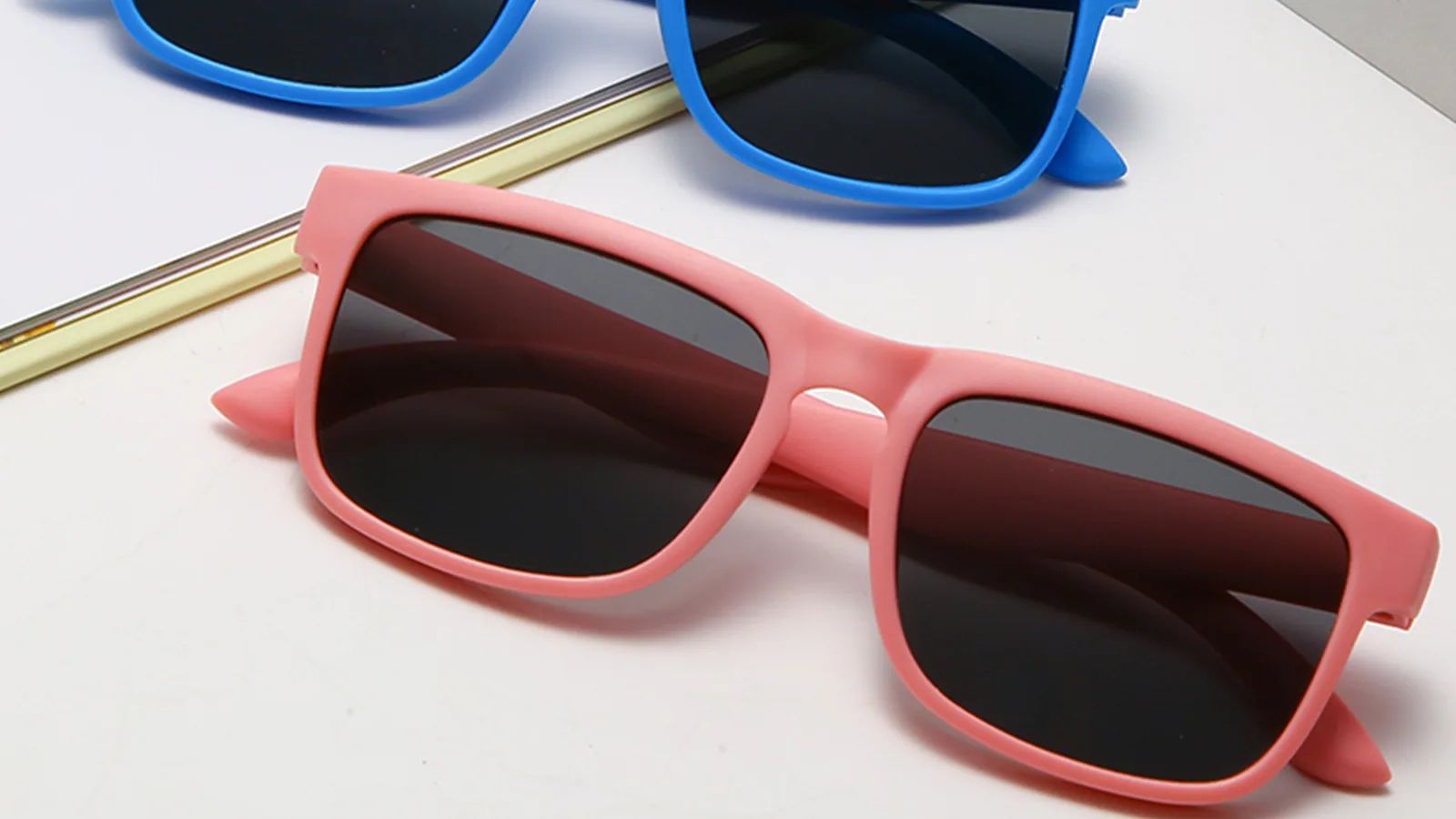
- Reference images or a physical sample, with notes explaining what should be copied, changed or avoided.
- Frame shape, overall dimensions, lens width, bridge width, frame height and temple length where known.
- Fit expectations and any critical ergonomic constraints to check during sampling.
- Lens color or tint, appearance and any required performance or test condition.
- Frame and temple colors, preferably with Pantone references or an approved physical color sample.
- Hinge, screw, decoration, nose-pad or other component requirements that affect appearance or function.
- Vector logo files such as AI, EPS, SVG or a print-ready PDF whenever possible.
- Dimensioned drawings, CAD files or annotated reference images for a full-custom project.
- A naming convention that includes the project, SKU, version and date.
- One shared decision log identifying the current version and the person who approved it.
Lock Logo, Artwork, Packaging and Label Inputs
Branding and packaging are often treated as later-stage tasks, but they can affect sample preparation, production setup, MOQ, cost and timing. Raise them before the quotation is finalized even if some artwork is still pending.
DOMI’s current logo guidance is conditional: a single-color logo is commonly suited to screen printing, while broad or all-over graphics may require heat transfer. The final method depends on artwork, coverage, product structure, quantity and budget.
Do not assume that a frame MOQ automatically covers custom packaging. Ask for packaging quantity rules, setup fees, timing and any surplus or replacement policy in the quotation.
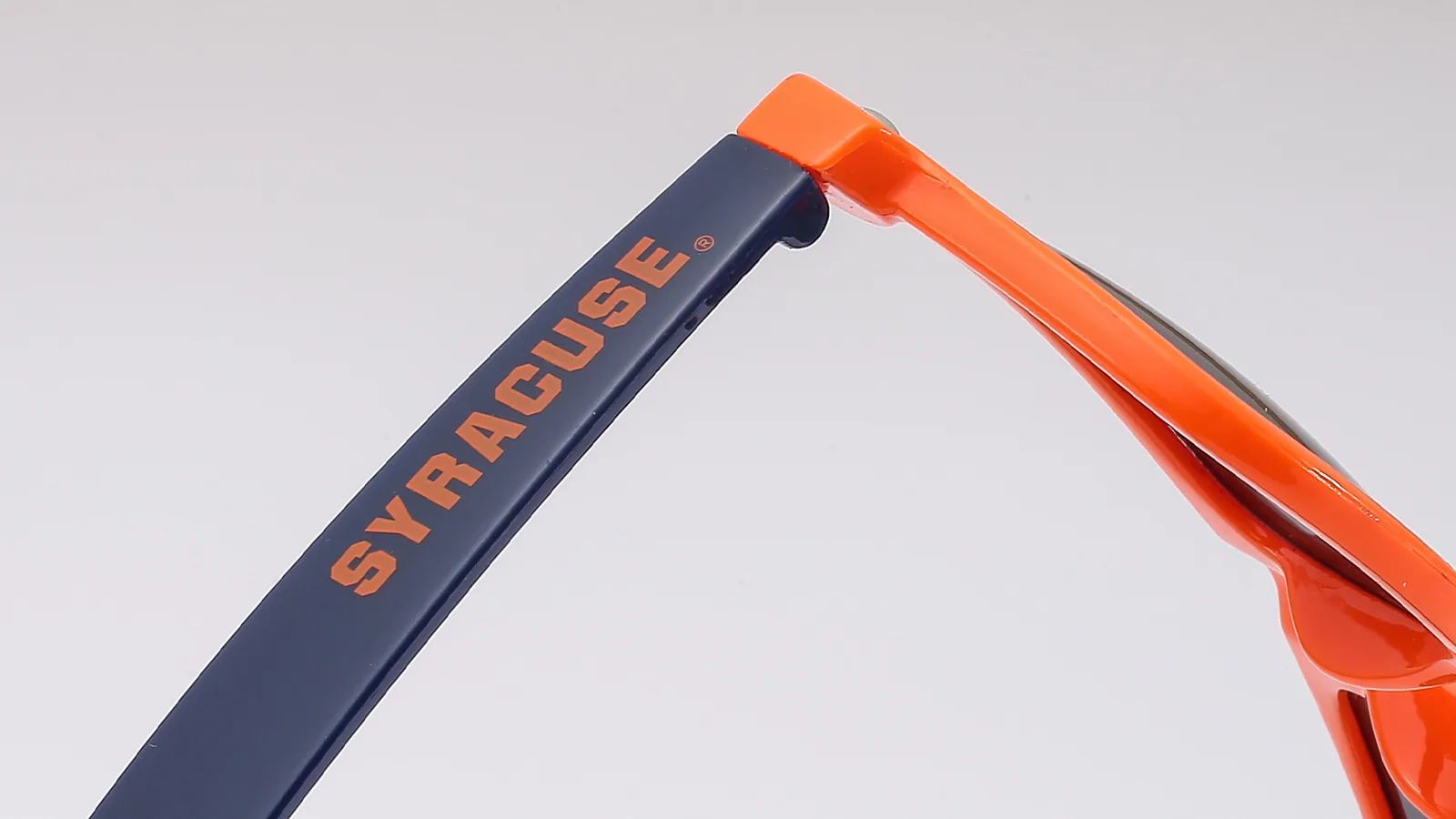
- Logo file, color reference, exact placement, target size, orientation and whether the artwork changes by SKU.
- A marked-up product image showing the print area and any “do not print” area.
- An approval file or sample that shows the expected scale and position, not only the logo by itself.
- Packaging format: bag, eyewear case, paper box, color box, sticker, hang tag or another agreed option.
- Packaging dimensions, material, color, print method, insert and assembly requirements where relevant.
- Barcode, SKU label, country-of-origin wording, care information, warnings, retailer labels and carton marks.
- Units per inner pack and master carton, plus any warehouse or fulfillment labeling requirements.
Plan Samples, Approvals and Change Control
A sample is useful only when its purpose is clear. One sample may check logo placement, another may evaluate a new frame and another may confirm packaging. Define what each sample can and cannot approve.
DOMI’s current sample policy is route-dependent. For planning, stock samples up to five pairs may be provided without a sample charge, with freight paid by the customer; custom-logo samples may not carry a sample charge; and a general sample cycle is approximately 5–10 days.
These sample references must be reconfirmed for the actual model, customization, sample type, freight method and project schedule. New-mold sample costs and the exact timing start point remain project-specific.
- State the sample purpose: stock reference, color, logo, packaging, functional prototype, tooling trial or pre-production confirmation.
- List every item to review, such as dimensions, fit, color, lens appearance, logo, packaging, labels and assembly.
- Record the sample version, date received, reviewer, comments and final decision.
- Give feedback with annotated photographs and measurements rather than subjective descriptions.
- Identify changes that require a new sample or renewed written approval.
- Keep an approved reference sample when practical and define how it will be used during bulk inspection.
Confirm Commercial, Timing, Quality and Compliance Assumptions
Before approving a sample or paying a deposit, convert every important assumption into a written quotation, order confirmation or specification. Avoid relying on a general website statement when the project has several colors, materials, packaging versions or market requirements.
The route figures below are conditional DOMI planning references, not universal promises. Reference production time starts from receipt of the 30% deposit, uses calendar days and excludes international transit. Final MOQ and timing depend on product, color split, artwork, materials, process, packaging, quantity, approvals and production conditions.
DOMI’s current payment baseline is 30% deposit and 70% balance with no credit terms, but the balance payment point and other details must be confirmed in the order. Tooling fees, refund calculations, ownership and future-use terms must also be confirmed in writing.
DOMI can generally support relevant CE, FDA, UV400 and drop-ball documentation for many products, but applicability must be checked against the specific model and target market. Do not present these documents as universal certifications for every product.
- Confirm what is included in the unit price and what is quoted separately: samples, tooling, decoration setup, packaging, labels, inspection, freight or other services.
- Confirm what quantity rule applies to each model, color, lens, artwork version and packaging item.
- Define the event that starts the production clock, the buyer approvals that can pause it and what is excluded.
- Agree which visual, dimensional, functional, packaging and labeling points will be checked.
- Agree the inspection method, sampling level, acceptance criteria and defect categories; do not assume a universal AQL level or tolerance.
- Confirm who will arrange and pay for testing or third-party inspection. DOMI can support buyer-appointed third-party pre-shipment inspection when scope, timing, sampling and cost are agreed per order.
| Route | Reference MOQ | Reference production lead time |
|---|---|---|
| Ready stock | From 100 pairs | About 5–10 calendar days |
| Semi-custom using an existing frame | From 300 pairs | About 20–30 calendar days |
| Full custom with new development/tooling | From 2,000 pairs | About 40–60 calendar days |
The approved quotation takes priority over these early planning references.
Use a Final Production Handoff Checklist
Before the project moves from sampling into bulk production, build one signed-off handoff. This should be the shortest authoritative summary of the order, not another folder of mixed drafts.
If a critical decision remains open, label it as open. It is safer to pause a production approval than to let the factory choose by assumption.
| Handoff item | What must be confirmed |
|---|---|
| Project route | Ready stock, semi-custom or full custom; existing and newly developed parts identified. |
| Market and use | Destination market, sales channel, intended user and any claim or compliance constraint. |
| SKU and quantity | Model, frame color, lens, logo, packaging version and quantity split. |
| Product specification | Dimensions, materials, colors, lens requirements, components and approved files. |
| Artwork and branding | Logo method, file, color, size, position, orientation and approval version. |
| Packaging and labels | Packaging parts, print files, barcodes, labels, carton marks and pack-out. |
| Sample approval | Approved sample/version, written comments closed and reapproval triggers defined. |
| Quality plan | Inspection points, reference sample/specification, acceptance method and responsible parties. |
| Timing and approvals | Production start condition, buyer approval dates, target completion and exclusions. |
| Commercial terms | Price scope, fees, payment schedule, freight responsibility and unresolved conditions. |
| Open decisions | Every remaining item has an owner and deadline; no critical item is hidden in chat history. |
What to Include in the First RFQ Message
A first RFQ does not need to contain a complete engineering package, but it should let the manufacturer choose the likely route and identify missing inputs.
The goal is not to make the brief look complete. It is to reveal which decisions are complete, which depend on factory feasibility and which must be closed before sampling or production.
A strong OEM sunglasses project checklist does not remove the need for discussion. It makes the discussion precise. When the route, quantities, specifications, artwork, packaging, approvals, quality plan, market requirements and open decisions are visible in one place, the factory can evaluate feasibility and the buyer can approve the project with fewer hidden assumptions.
- A short description of the project, buyer type, destination market and intended use.
- Reference images, drawings or a link to the existing model you want to modify.
- Target quantity with model and color split, plus the expected reorder scenario if relevant.
- Requested frame, lens, color, logo and packaging changes.
- Target date and the location the goods must reach, clearly separating production time from international transit.
- Any required test, document, label, retailer or inspection condition.
- A list of open questions that the manufacturer should evaluate rather than guess.
FREQUENTLY ASKED QUESTIONS
Questions Buyers Often Ask
Does every custom sunglasses project require a new mold?
No. Ready-stock and semi-custom routes can use an available frame when its shape, dimensions, construction and customization areas are suitable. A new shape or structural requirement may need new development and tooling. The factory should evaluate the actual requested changes; do not assume that changing a dimension or lens shape is possible within an existing mold.
What information most often delays a quotation?
Unclear quantity splits, a missing destination market, undefined logo placement, unknown lens or material requirements, packaging that has not been scoped and an ambiguous delivery date commonly create extra clarification rounds. A quotation can also be misleading when the buyer and factory are pricing different scopes.
When should packaging be confirmed?
Packaging should be raised during the quotation stage and finalized before production handoff. Custom packaging can have its own MOQ, setup, artwork approval and lead time. Barcode, label, carton and fulfillment requirements should not be left until the frames are finished.
How can bulk production stay aligned with the approved sample?
Use a controlled sample version, written approval, measurable specifications where appropriate, approved artwork files and a defined inspection plan. Record any approved deviation. If a later change affects appearance, fit, function, packaging or a regulated claim, decide whether a revised sample and written reapproval are required.
What compliance information should a buyer provide?
Provide the destination country, sales channel, product type, intended user, planned claims and any retailer or importer requirements. The manufacturer and buyer can then confirm which tests, files, labels or marks apply to the actual model. Requirements should not be copied from another market or product without verification.
How much detail is needed before sampling?
Enough detail is needed to explain what the sample is supposed to prove. A stock reference sample may require only a model and color. A custom-logo sample needs approved artwork, method, size and position. A full-custom prototype needs substantially more product and engineering input. Define the purpose first, then confirm the required files with the factory.
PLANNING A SUNGLASSES PROJECT?
Turn the Guide Into a Clear Project Brief
Send DOMI your target style, quantity, artwork and delivery requirements.
Buying Guides
OEM vs ODM vs Private Label Sunglasses: What Is the Difference?
Read article →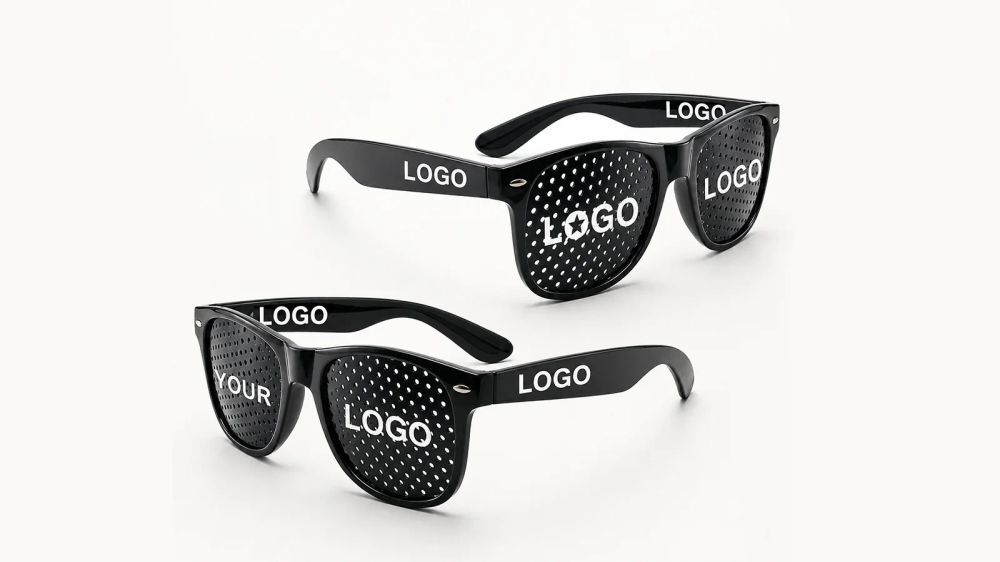
Customization
Sunglasses Logo Printing Guide: Methods, Placement & Artwork
Read article →
Manufacturing & Quality