Customization
ODM sunglasses development process
Follow the ODM sunglasses development process from the product brief and model selection through feasibility review, sampling, approvals, production and final handoff.Understand the ODM starting point
The ODM sunglasses development process turns a buyer's market requirement into a production-ready product by starting with a manufacturer's existing product platform and then defining the changes, samples, approvals and production controls required for the project.
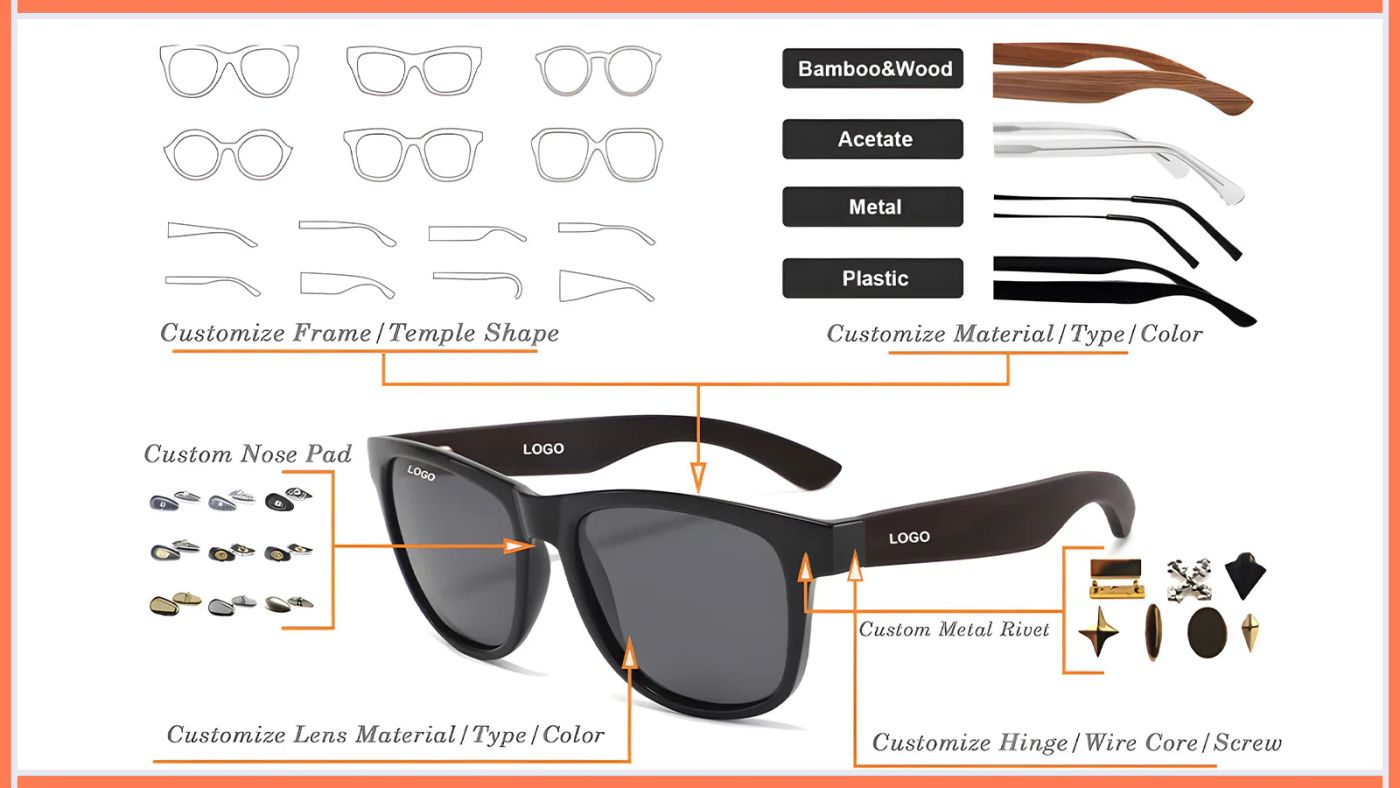
ODM is not a single fixed workflow. A project may use an existing model with only branding and packaging changes, modify an existing frame with new colors and lenses, or progress into new tooling when the required geometry cannot be achieved from the available platform. The correct route should be decided after the product brief and feasibility review.
In an ODM project, the manufacturer contributes an existing design, product platform or development direction that can be adapted for the buyer. The buyer still needs to approve the product specification, branding, target-market requirements and commercial scope.
This differs from a simple ready-stock order because the project may include coordinated changes to materials, colors, lenses, logos and packaging. It also differs from a fully original OEM development when the main product geometry is already available from the manufacturer's platform.
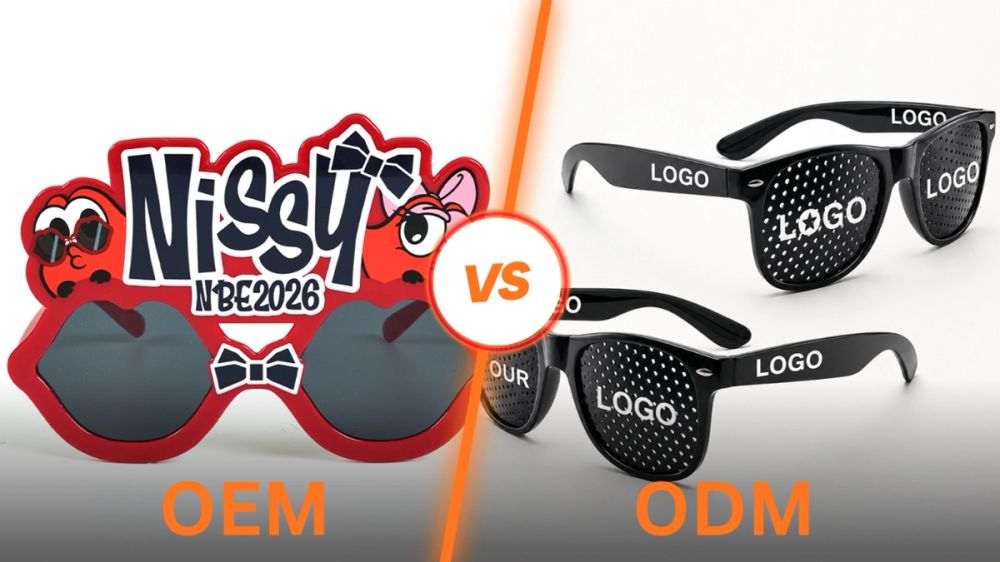
If the sourcing model itself is still unclear, compare OEM, ODM and private label sunglasses before preparing the brief.
Phase 1: prepare a decision-ready project brief
A useful ODM brief explains the commercial use of the product, not only its appearance.
Include:
Avoid broad instructions such as “make it premium” or “use the best material.” Translate them into decisions the supplier can evaluate: target weight, finish, color, fit, lens effect, packaging presentation and budget range.
Define approval ownership early. Name the people responsible for product, artwork, packaging and final commercial approval. One consolidated decision is more useful than several separate comments. Also decide whether approval will be based on a digital rendering, a sample, a pre-production sample or a combination.
- target customer and sales channel;
- intended use and price position;
- target market or markets;
- estimated order quantity and color split;
- preferred frame type and fit direction;
- lens color and required performance direction;
- logo position and artwork status;
- packaging, labeling and barcode requirements;
- required sample and delivery dates;
- target-market testing or documentation requirements;
- reference products, drawings or mood boards.
Phase 2: select an existing model and define modifications
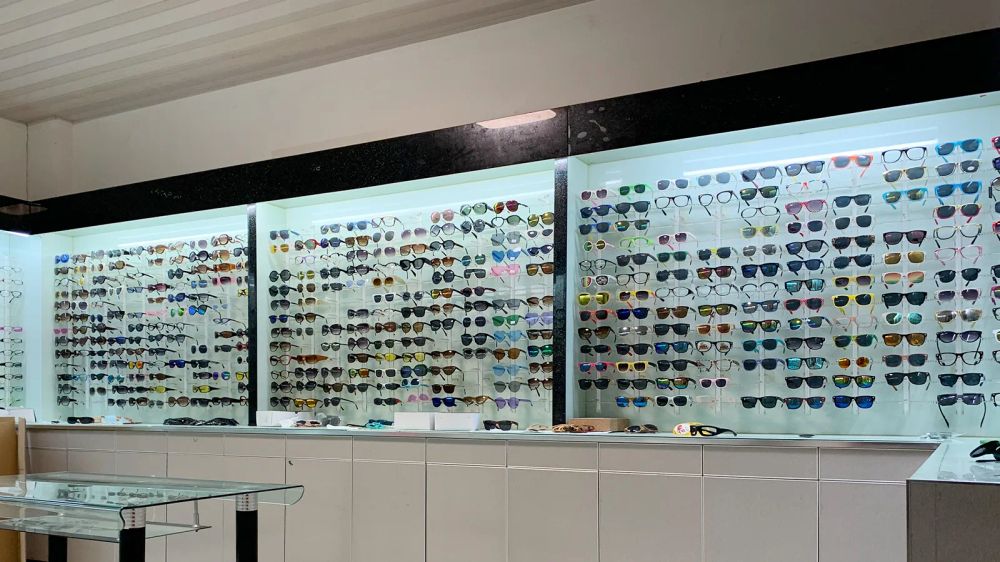
The manufacturer should shortlist existing models that match the brief. Review them against:
The aim is not to find a visually similar model at any cost. It is to determine which existing platform can meet the project with acceptable modification, schedule and risk.
Separate cosmetic changes from structural changes. Cosmetic changes may include frame color, lens color, logo and packaging. Structural changes affect geometry or construction, such as the front shape, temple design, hinge position or molded decorative features.
Structural changes may require engineering work or new tooling. Do not assume that every requested change can be added to an existing mold. The supplier should explain which features are fixed, which can be modified and which require a new development route.
At DOMI, the commercial planning route is generally divided into:
These figures depend on the product, color, artwork, packaging, quantity and approval schedule. They begin after receipt of the 30% deposit and exclude international transportation. Use them for early planning, then confirm the actual quotation.
The OEM and ODM sunglasses overview explains how DOMI separates these routes.
- front shape and frame dimensions;
- bridge and nose fit;
- temple length and pressure;
- hinge construction;
- lens shape and retention;
- usable logo areas;
- available materials and finishes;
- existing tooling and production stability;
- packaging compatibility.
- stock-based customization: reference MOQ from 100 pairs and reference lead time of 5–10 calendar days;
- semi-custom development using an existing frame without new tooling: reference MOQ from 300 pairs and reference lead time of 20–30 calendar days;
- full-custom development requiring new tooling: reference MOQ from 2,000 pairs and reference lead time of 40–60 calendar days.
Phase 3: confirm materials, colors and branding
Once the base model is selected, convert the visual direction into a controlled specification.
Frame and temple decisions. Confirm the frame and temple material, color reference, surface finish and any visible texture. If a Pantone-matched frame color is requested, decide how the physical color will be approved and what variation is acceptable for the material and finish.
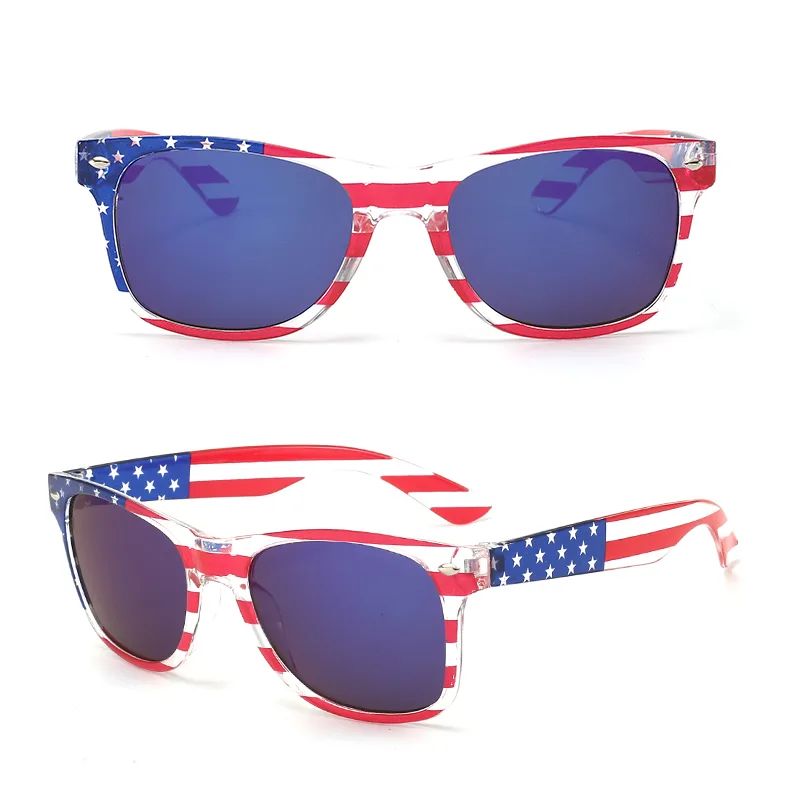
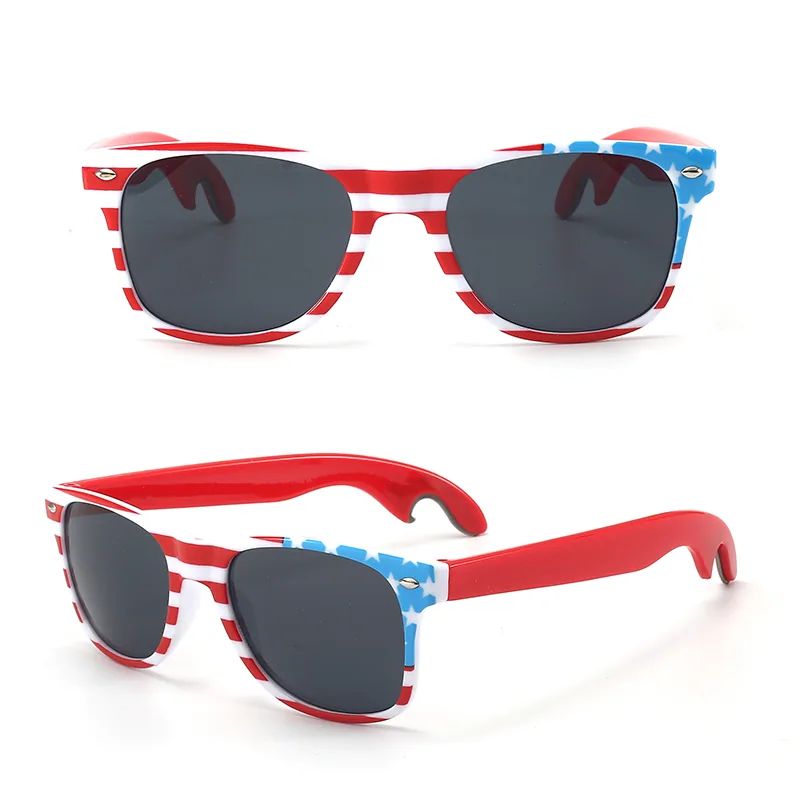
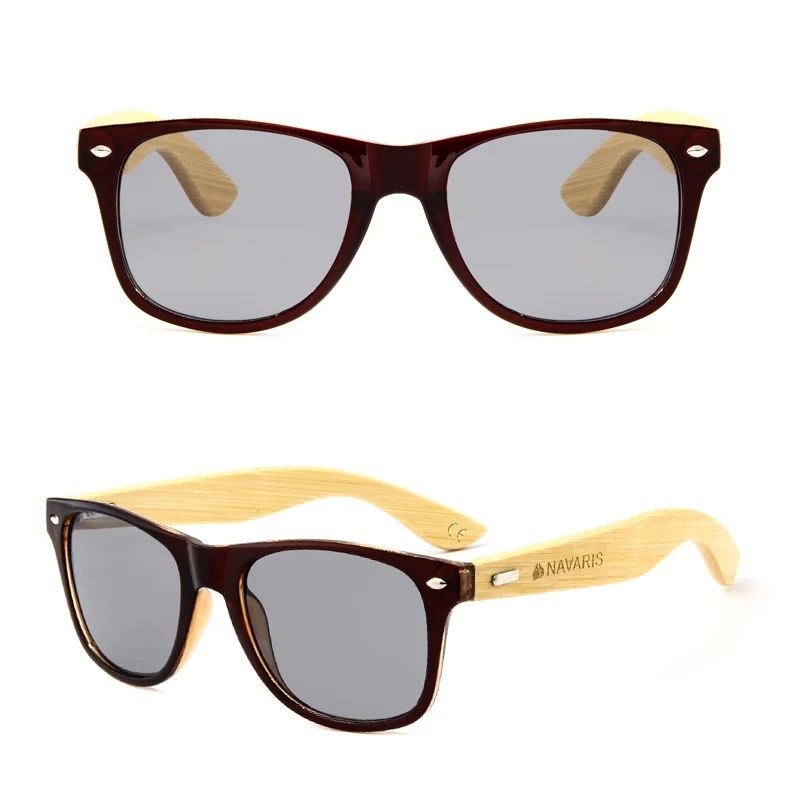
DOMI can discuss Wayfarer and other custom shapes, Pantone frame colors, true-bamboo or bamboo-look temples, wood-look frames, bottle-opener temples and other product directions where suitable. Every feature still needs a product-level feasibility review.
Lens decisions. Confirm lens material, color, visible effect and intended use. DOMI can discuss gray, clear, colored, reflective and blue-light-filtering directions. Claims such as polarized, UV400, CE, FDA or drop-ball support must be tied to the selected product and target market rather than applied to the full catalog.
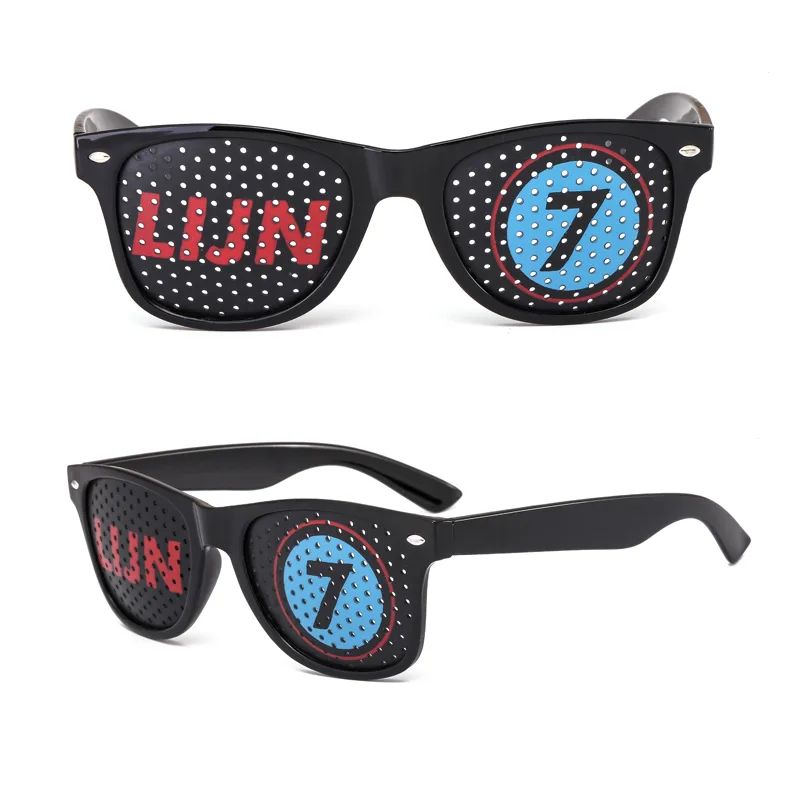
Logo and packaging decisions. Define the logo location, size, color, method and artwork version. Possible locations may include the outside or inside temple, lens, temple tip or an appropriate metal decoration area.
For DOMI projects, a simple single-color logo generally points toward screen printing, while large-area or near-full-product graphics are more often reviewed for heat transfer. Pad printing, laser engraving and metal logo options may also be possible. Final selection depends on the artwork, coverage, structure, quantity and budget.
Packaging may include bags, cases, paper boxes, color boxes, stickers or hangtags. Confirm packaging early because it can have its own tooling, artwork, minimum and lead time.
Phase 4: review design files or physical samples
The form of the development sample depends on the project. It may include a digital rendering, dimensioned drawing, 3D design, 3D-printed reference, modified stock sample, tooling sample or pre-production sample.
Do not assume that every ODM project uses all of these steps. Ask the supplier to identify:
Review dimensions and fit, not only appearance. The design review should cover frame width, lens size, bridge, temple length, temple opening, lens fit, hinge position and wearing balance as applicable. The exact tolerances should be defined for the product and process rather than copied from a generic guide.
Give measurable sample feedback. Replace subjective comments with specific instructions. For example:
Maintain one revision list and close each item before the next sample is approved.
- which sample types will be provided;
- what each sample is intended to approve;
- whether the sample uses final materials and processes;
- what remains provisional;
- who approves it and in what format;
- how many revision rounds are included;
- how sample changes affect cost and schedule.
- identify where the temple pressure occurs;
- compare the frame color with the approved reference;
- mark the required logo movement in millimeters;
- state whether the lens should be lighter or darker relative to the approved sample;
- identify visible defects with photos and the sample reference.
Phase 5: decide whether tooling or process plates are needed
New tooling is required only when the approved product cannot be produced from an existing platform. The tooling discussion should define:
DOMI's full-custom route normally moves from drawing and 3D confirmation into tooling, sample confirmation and bulk production. The current commercial policy states that the customer pays the tooling fee and that the fee is refunded after cumulative orders exceed 50,000 pairs; the exact calculation and contract terms should be confirmed in the quotation.
Artwork may also require a screen, transfer plate or other production preparation depending on the selected method. This is separate from product tooling and should be listed separately in the project scope.

- which components need new tools or molds;
- tooling cost and payment;
- ownership and future-use terms;
- expected trial stage;
- modification responsibility;
- storage and maintenance terms;
- the approval required before bulk production.
Phase 6: approve the production reference
Before bulk production, create a locked approval package. Depending on the project, it should include:
The supplier and buyer should use the same reference. A later image in a messaging app should not silently replace the signed-off sample or specification.
- approved product sample or sample code;
- dimensioned drawing or specification;
- bill of materials;
- frame and lens color references;
- approved artwork and proof;
- decoration method and position;
- packaging and labeling specification;
- quantity by SKU and color;
- applicable testing or documentation plan;
- approved change log;
- named final approver.
Phase 7: confirm testing and target-market requirements
Compliance planning should happen before bulk production, not after goods are finished. The buyer should identify the destination market and any product, labeling or retailer requirements in the brief.
Ask:
DOMI can provide CE, FDA, UV400 and drop-ball-related file support for many products, subject to model and target-market confirmation. Do not state that every product is automatically certified. DOMI also accepts buyer-appointed third-party pre-shipment inspection, with the scope, sampling plan, timing and cost confirmed for the order.
- Which standard or buyer protocol applies?
- Does the document cover the exact frame-and-lens configuration?
- Is testing required on the final sample or production batch?
- Who arranges and pays for third-party testing?
- What marks or declarations must appear on the product or packaging?
Phase 8: hand off to mass production
Production should start only after the approval package is complete. The handoff should identify the approved materials, color references, sample, artwork, packaging and quality checkpoints.
Quality control is easier when acceptance criteria are written before production. Define the checks that matter to the project, such as:
For a broader view of factory checkpoints, see DOMI's manufacturing and quality page.
- visible surface and color consistency;
- frame and temple alignment;
- hinge operation;
- lens fit and stability;
- logo position, sharpness and adhesion;
- packaging, labeling and SKU accuracy;
- quantity and carton marking;
- required document availability.
Phase 9: prepare packaging, shipping and launch handoff
Before packing begins, confirm the packaging bill of materials and the mapping between product SKUs, colors, barcodes and cartons. The shipping plan should identify the delivery terms, destination, required documents and the date goods must leave the factory.
International transport is not included in DOMI's reference production lead times. Build freight, customs and local delivery into the launch schedule separately.
After delivery, keep the approved product file and record:
This turns the first order into a controlled baseline for replenishment or a second product version.
- final specifications;
- sample and production references;
- testing documents;
- artwork and packaging versions;
- defects or corrective actions;
- buyer and end-user feedback;
- recommended changes for the next order.
Common causes of ODM project delay
An incomplete brief. If the target market, quantity, price direction or approval date is missing, the supplier cannot choose the right platform confidently.
Changes after sample approval. A change to color, lens, logo, packaging or quantity can affect materials and schedule. Treat it as a formal revision.
Unclear approval authority. Conflicting buyer feedback creates avoidable iterations. Nominate one final approver.
Late compliance planning. Product documents, testing and labeling requirements may affect the specification. Confirm them before production.
Assuming all customization is cosmetic. A small visual change can require new tooling if it alters product geometry. Ask for a feasibility explanation before approving the route.
Final decision rule
A strong ODM process makes every phase answer one question: what is being approved, by whom, against which reference and what can happen next? If those four items are clear, the project can move from an existing product direction to bulk production without relying on assumptions.
DOMI can review an ODM brief, suggest the appropriate route and identify open decisions through the project inquiry form.
FREQUENTLY ASKED QUESTIONS
Questions Buyers Often Ask
Does every ODM sunglasses project require a new mold?
No. Many ODM projects use an existing product platform with color, lens, logo or packaging changes. New tooling is considered when the required structure cannot be achieved from the existing model.
What should be approved first: the frame or the logo?
Approve the product platform and available decoration area first. The final logo size and method depend on the selected surface.
Is a 3D rendering the same as a production sample?
No. A rendering can confirm visual direction, while a physical sample can reveal fit, color, finish and process results. Ask what each stage is intended to approve.
How should an ODM buyer compare supplier quotations?
Compare the same scope: base model, modifications, samples, tooling, artwork setup, packaging, testing, quantity, lead time, freight terms and revision costs. A lower unit price may exclude important development work.
When should testing requirements be confirmed?
At the brief stage. They can affect lens choice, labels, packaging and the sample that must be tested.
What makes a production handoff complete?
An approved sample or specification, BOM, colors, artwork, packaging, SKU quantities, quality criteria, document plan and named approval authority.
PLANNING A SUNGLASSES PROJECT?