Customization
How to Manufacture Custom Sunglasses: A B2B Production Guide
Follow a custom sunglasses project from the first brief and sample approvals through tooling, production, quality checks, packaging and repeat orders.Start With the Right Custom Sunglasses Production Route
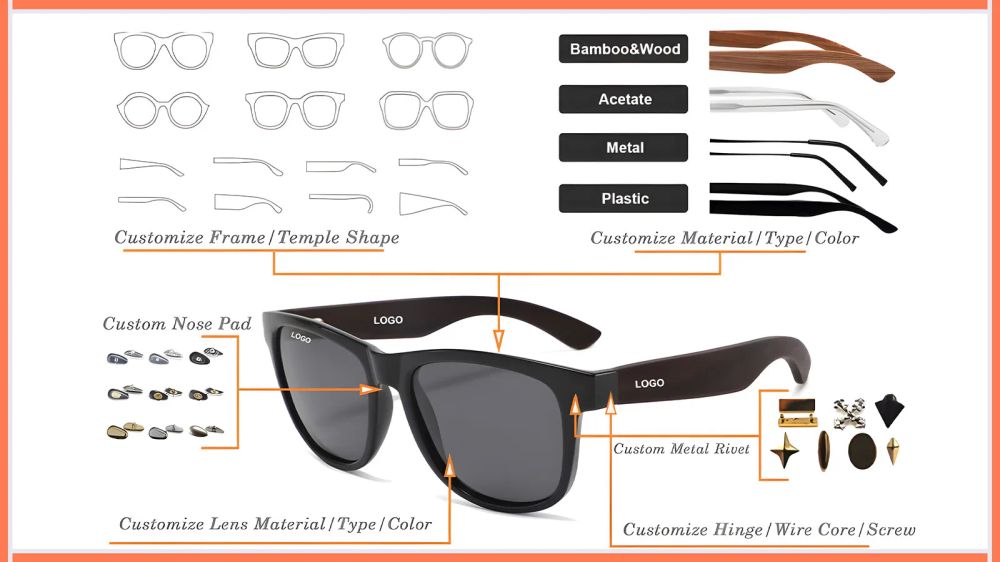
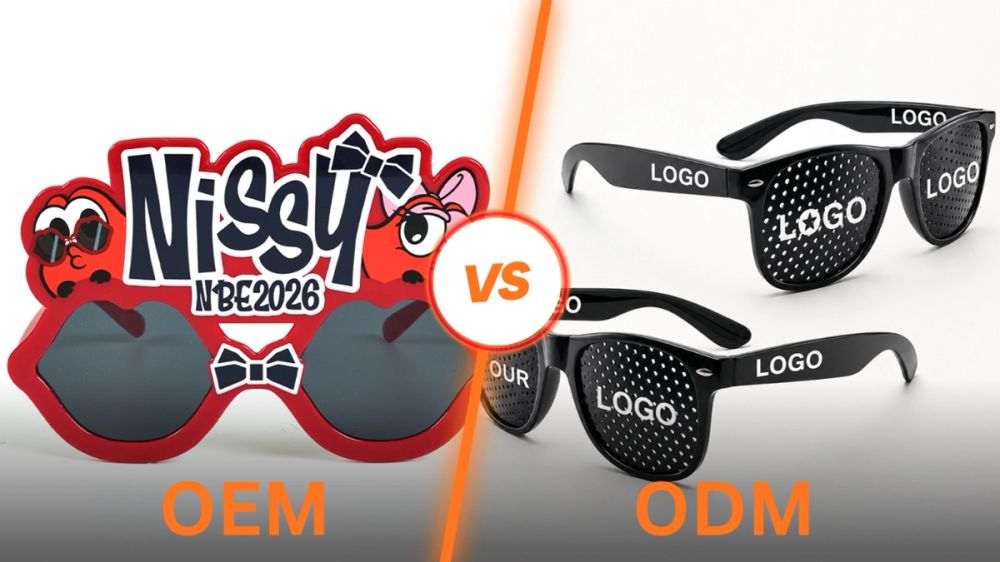
The first manufacturing decision is not the logo color or the lens tint. It is whether the project should start from an available product, an existing frame platform or a completely new structure. That choice determines the development work, sample sequence, minimum order quantity and realistic schedule.
A promotional buyer who needs a logo on an available frame should not be placed into the same process as a brand developing an original frame shape. DOMI uses three practical production routes so that the quotation and approval plan match the actual work required.
| Route | Best suited to | Reference MOQ | Reference lead time |
|---|---|---|---|
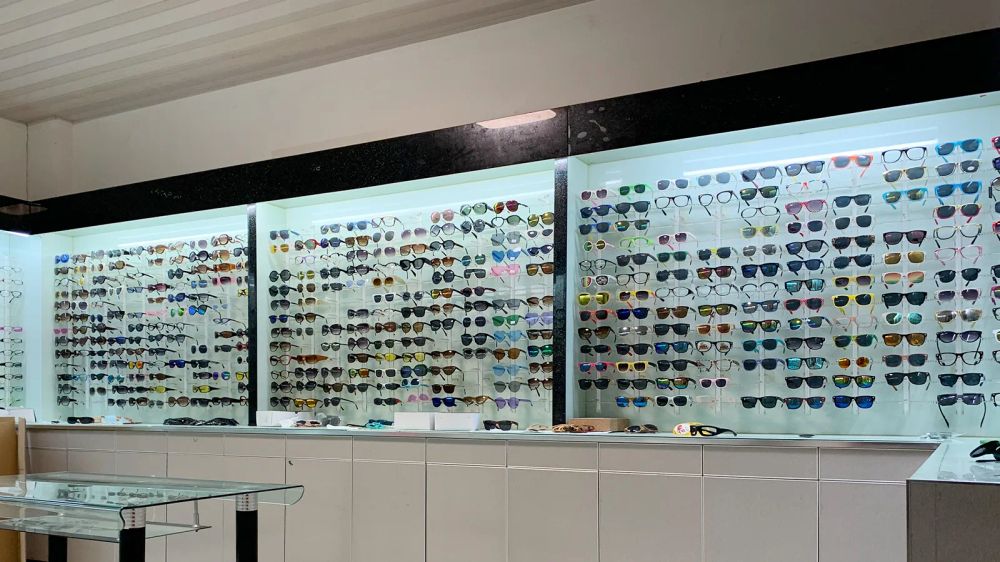
| Ready-stock customization | An available style and color with a logo and packaging | From 100 pairs | About 5–10 calendar days |
| Semi-custom development | An existing frame with coordinated frame color, lens, logo or packaging changes | From 300 pairs | About 20–30 calendar days |
| Full-custom development | A new drawing, shape or structure that requires product development and tooling | From 2,000 pairs | About 40–60 calendar days |
These are planning references. Lead time starts after receipt of the 30% deposit and excludes international transportation. Product complexity, artwork approval, sample revisions and packaging can change the final schedule.
Turn the Product Idea Into a Production-Ready Brief
A factory can evaluate a custom sunglasses project more accurately when the brief describes the product, the commercial goal and the approvals the buyer expects. A reference image is useful, but it does not explain which details are fixed and which can be adapted to an existing production platform.
For a new design, send the original drawing, dimensional requirements and any functional details that affect the frame. For an existing-frame project, identify the preferred style and list the required changes. Quantities should be divided by frame color, lens option and artwork design because ten designs of 300 pairs are not the same production setup as one design of 3,000 pairs.
- Target market, buyer type and intended use
- Reference product, drawing or physical sample
- Total quantity and split by style, color and artwork
- Frame material or preferred product construction
- Lens color, function and any market-specific requirement
- Logo artwork, size, position, colors and coverage
- Packaging, labels, hangtags and carton-marking needs
- Required sample, inspection and target delivery date
Confirm the Product Design and Artwork Before Sampling
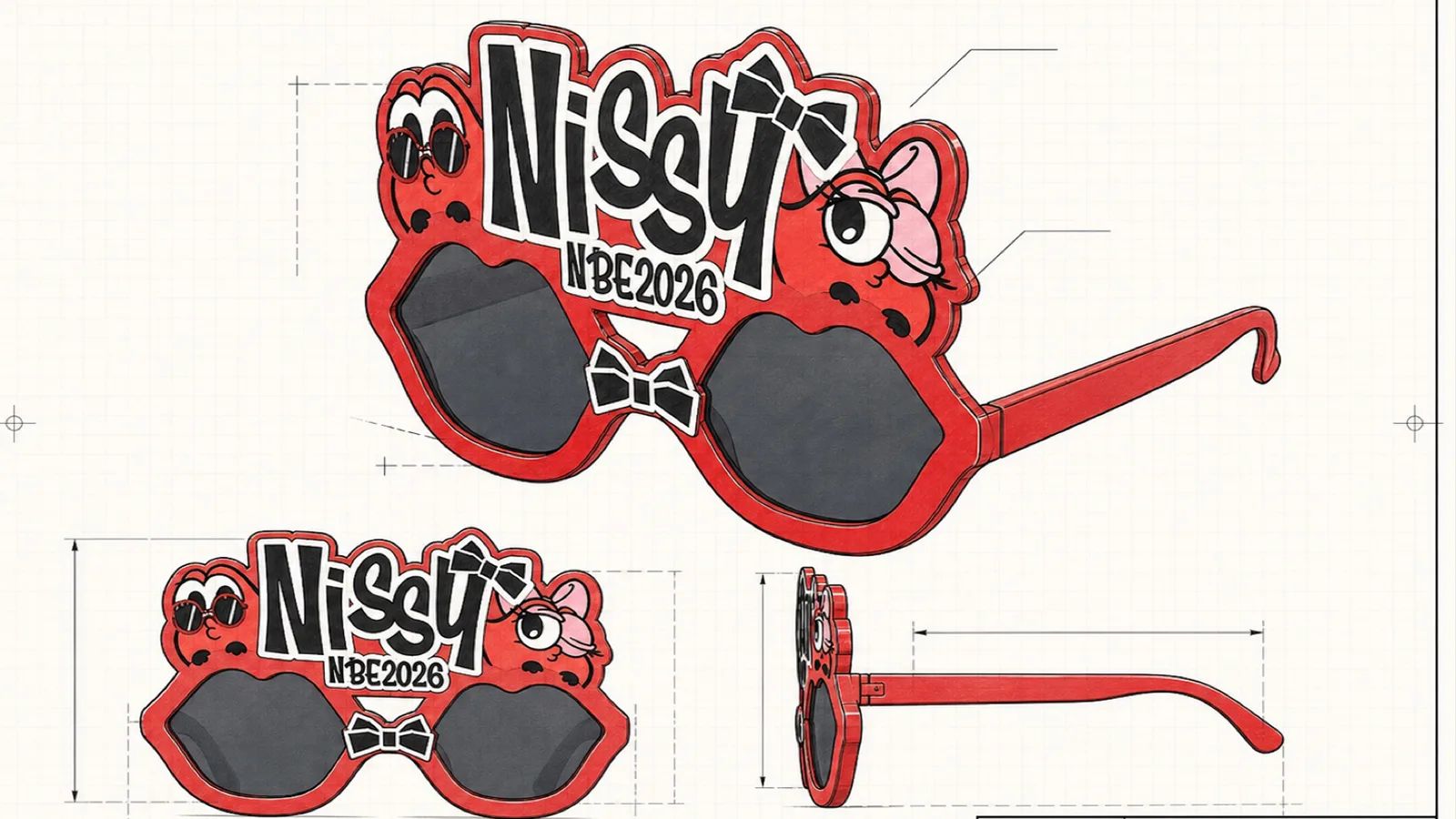
The design review should close the visible decisions before a physical sample is made. On a logo project, that means confirming the mark, size, position and application method on the selected frame. On a full-custom project, it also means reviewing the shape, proportions, lens openings, temple direction and any feature that must become part of the mold.
DOMI commonly reviews screen printing for suitable simple one-color logos and heat transfer for larger or multi-color graphics. Pad printing, laser engraving and metal logos can also be considered when the product construction and surface are suitable. The final method should be selected from the actual artwork, frame surface, coverage, quantity and budget—not from a generic method list.
Use the Correct Sample for Each Approval Decision
Not every sample answers the same question. A stock sample helps a buyer evaluate an existing frame. A custom logo sample confirms how the selected decoration appears on that product. A 3D physical prototype for a new design is mainly a shape and proportion check; it is not automatically the final production material or finish. After tooling, the molded sample is the more important reference for bulk production.
Each approval should be recorded in one place. If the frame color was approved in one email, the logo size in a chat message and the packaging in a separate file, the factory does not have a reliable production standard. Consolidate the final specification and identify the exact physical sample or artwork version that authorizes the next stage.
| Sample or approval | Primary purpose | What it does not prove |
|---|---|---|
| Stock product sample | Frame shape, fit, construction and available product quality | Final custom color, logo or packaging |
| Custom logo sample | Logo size, position, color, clarity and appearance on the product | A new frame structure or unapproved production change |
| 3D physical prototype | Shape, proportions and design direction before tooling | Final molded material, finish or mass-production consistency |
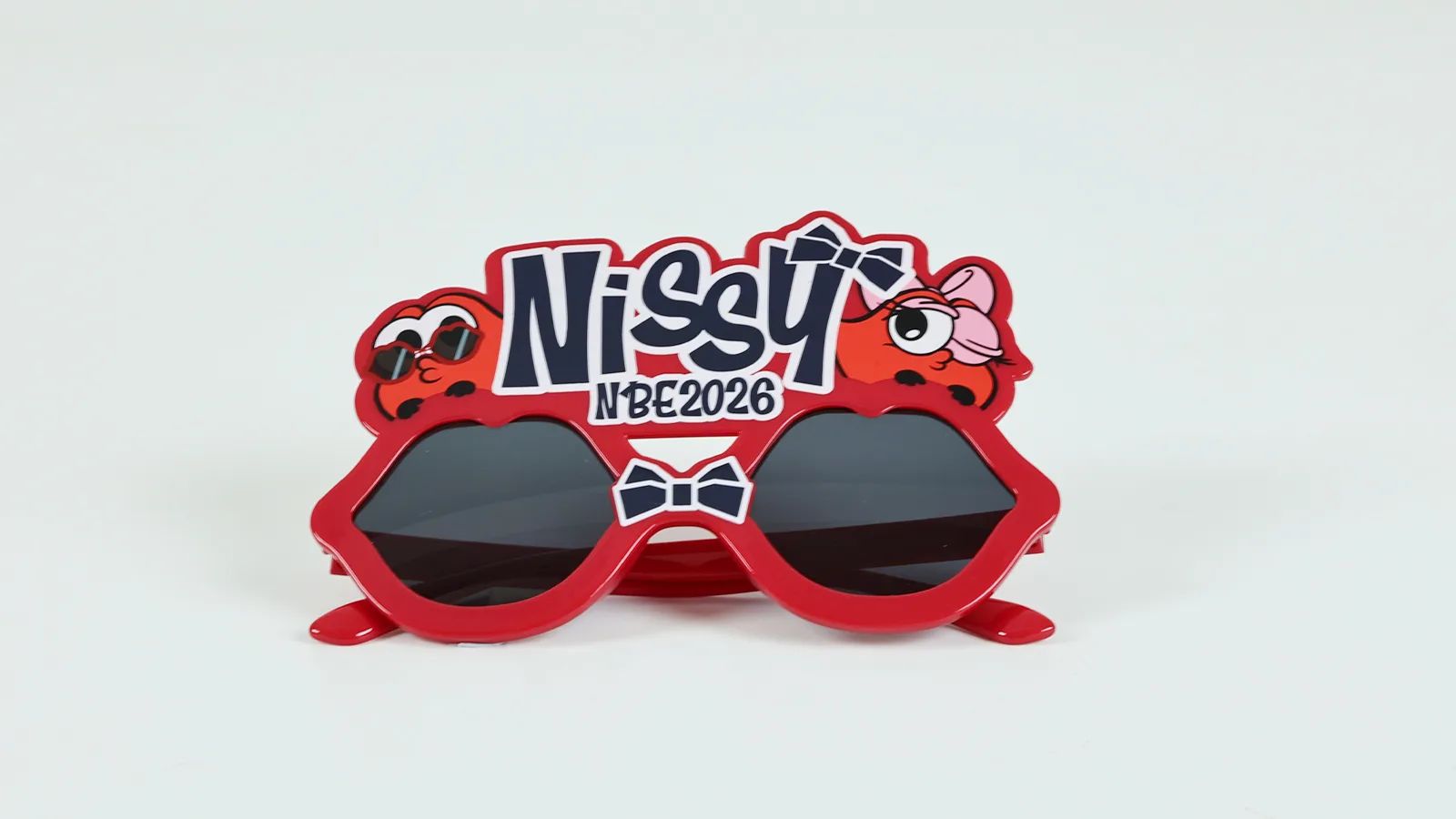
| Molded trial sample | Tooling result, frame details, assembly and production reference | Unrecorded packaging or compliance requirements |
DOMI can currently provide up to five available stock samples without a sample charge, with freight paid by the customer. Custom logo samples currently have no sample fee; full-custom prototypes, tooling and complex development are quoted by project.
Move From Approved 3D Shape to Tooling and a Molded Sample
A new mold is required when the approved frame shape or structure cannot be produced from an existing tool. DOMI first confirms the drawing and 3D direction, then moves into mold development. When the mold is ready, a trial run produces the molded sample used to check the actual frame before bulk production.
Tooling should not begin while the design is still changing. A late change to the frame outline, lens opening or structural detail can require rework and alter both cost and timing. Buyers should also make sure that the quotation and project terms clearly identify the mold fee and the approved design version.
For DOMI full-custom projects, the client pays the mold fee. The mold fee is refunded after cumulative orders exceed 50,000 pairs. Other project-specific conditions—such as mold storage, future changes or special maintenance—should be written into the order terms rather than assumed.
What Happens During Bulk Custom Sunglasses Production
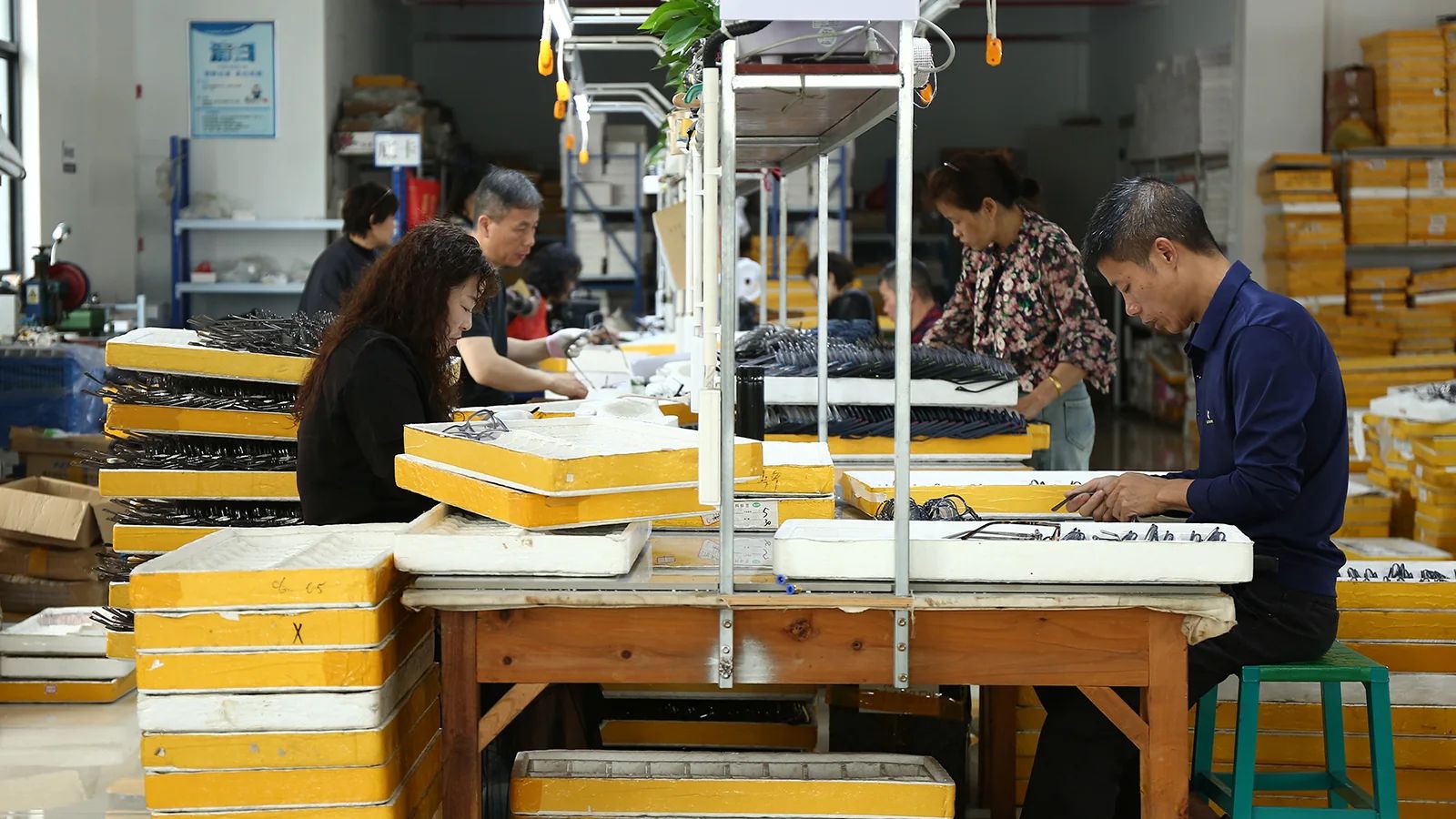
Once the production sample and order specification are approved, the factory can plan materials, components, decoration and packaging around one controlled reference. The exact steps vary by product, but an injection-molded plastic sunglasses order typically moves through frame production, trimming or finishing, logo or graphic application, assembly, inspection and packing.
The approved sample remains the visual reference throughout the order. It should be supported by written specifications for details that are difficult to judge visually, such as quantity splits, packaging counts, labels and market-specific document requirements.
- Confirm the production schedule, quantity split and approved files
- Prepare frame, lens, hinge, logo and packaging requirements
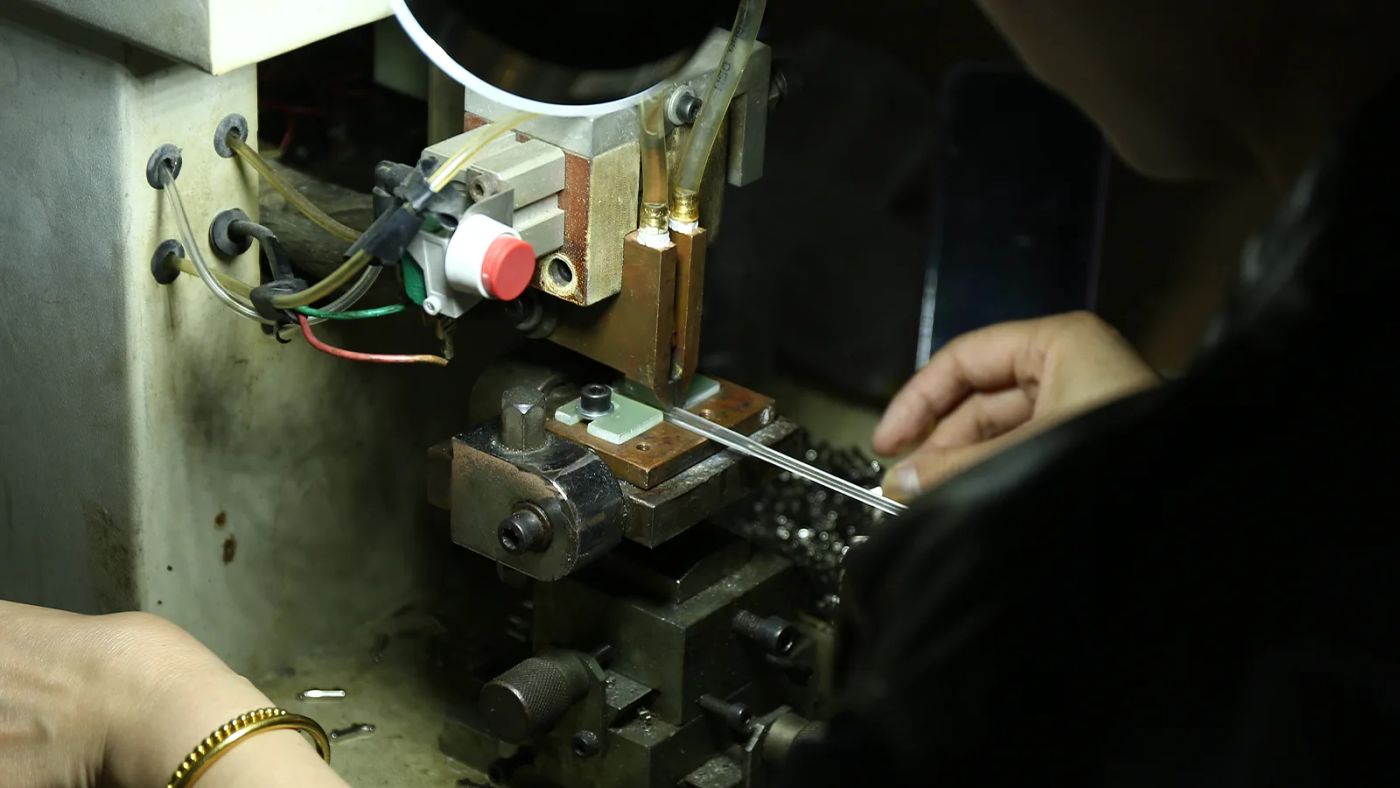
- Produce and finish frame components using the agreed route
- Apply the approved logo, print or graphic treatment
- Assemble lenses, temples, hinges and other components
- Inspect the product and pack to the confirmed specification
Control Quality Against the Approved Product Standard
Quality control is most useful when the acceptance points were defined before production. A general request for ‘high quality’ does not tell an inspector which logo position, color tolerance, assembly feel or packaging detail the buyer approved.
For molded frames, visible checks may include symmetry, surface condition, unfinished edges and injection flash. For printed or heat-transfer designs, inspectors can review clarity, position, color, coverage, scratches and adhesion. Assembly, lens fit, hinge movement, quantity splits and packaging should also follow the approved order standard.
A buyer-appointed third-party pre-shipment inspection can be arranged when the inspection company, scope, sampling approach, timing and cost responsibility are agreed for the order. The inspection should use the same approved specification and reference sample as the factory rather than a new set of expectations introduced at the end.
| Checkpoint | What to compare | Useful evidence |
|---|---|---|
| Artwork approval | Logo file, size, position, colors and coverage | Dated artwork or effect drawing |
| Physical sample approval | Frame, lens, decoration, finish and assembly | Identified approval sample and written comments |
| Production setup | First output against the approved reference | Early-run checks or production photos |
| Finished-goods inspection | Appearance, function, quantity and packaging | Factory record or buyer-appointed inspection report |
Confirm Compliance for the Product and Destination Market
Compliance cannot be decided from the word ‘sunglasses’ alone. The lens function, product construction, user group and destination market determine which tests or documents may be relevant. Requirements for a general promotional adult style may differ from those for a children’s product or a style sold with a specific performance claim.
Tell the supplier where the product will be sold and which standard, report or buyer protocol is required before approving production. DOMI can review applicable document support for most products, but availability and scope must be confirmed for the exact model and market. Do not assume that one report automatically covers every material, lens, color or country.
Close Packaging, Payment and Delivery Details Before Production
Packaging affects more than presentation. A bag, case, paper box, color box, sticker or hangtag can add artwork approvals, purchasing lead time and packing instructions. Confirm the item, artwork, quantity per inner box or carton, labels and shipping marks before the production schedule is finalized.
DOMI’s current payment baseline is a 30% deposit and 70% balance, with no credit terms. The deposit starts the reference production lead time; international transportation is additional. The final order should state the balance-payment point, shipping method, destination and which party is responsible for any buyer-appointed inspection or market-specific testing.
Real Project Example: A Logo Became the Sunglasses Frame
A Japanese customer supplied an original drawing for a frame in which the logo became part of the product shape. DOMI and the customer completed two drawing revisions, then produced a physical 3D prototype to confirm the frame shape before tooling.
After the prototype was approved, DOMI developed the mold and produced an injection-molded sample for a second physical approval. The bulk order was approximately 10,000 pairs. A third party checked details including injection flash and print clarity before shipment. The first project moved from drawing confirmation to delivery in about two months, and repeat orders can be completed in about 20–30 days because the mold and approved standard already exist.
This sequence shows why a full-custom project needs separate approval gates. The 3D prototype reduced shape risk before tooling, while the molded sample and inspection controlled the actual production result.
What to Send for a Custom Sunglasses Manufacturing Review
A concise enquiry helps the factory recommend the correct route without guessing. You do not need a complete engineering file for the first review, but you should provide enough information to separate the essential product requirements from optional ideas.
- Drawing, reference image, physical sample or preferred existing model
- Order quantity and breakdown by color, lens and artwork
- Logo vector file and preferred application position
- Target market and any confirmed compliance requirement
- Packaging, labeling and carton-marking requirements
- Required sample or third-party inspection
- Target delivery date and destination
FREQUENTLY ASKED QUESTIONS
Questions Buyers Often Ask
Do all custom sunglasses require a new mold?
No. Ready-stock and semi-custom projects can use an available or existing frame with suitable logo, color, lens and packaging changes. A new mold is normally required when the approved design introduces a new frame shape or structure that cannot be made from an existing tool.
What is the MOQ for manufacturing custom sunglasses?
DOMI’s current planning references are from 100 pairs for ready-stock customization, from 300 pairs for semi-custom existing-frame projects and from 2,000 pairs for full-custom development. The selected style, color and design splits, logo method, packaging and production setup determine the final MOQ.
How long does custom sunglasses production take?
DOMI’s reference lead times are about 5–10 calendar days for ready-stock customization, 20–30 days for semi-custom development and 40–60 days for full-custom projects. Timing begins after receipt of the 30% deposit and excludes international shipping. Sample revisions, complex artwork and packaging can extend the schedule.
What is the difference between a 3D prototype and a molded sample?
A physical 3D prototype is mainly used to review shape, proportions and design direction before tooling. A molded sample is produced from the completed tool and is used to check the actual frame, fit, finish and assembly before bulk production.
Who pays for a new sunglasses mold?
For DOMI full-custom projects, the client pays the mold fee. The fee is refunded after cumulative orders exceed 50,000 pairs. The exact mold quotation and any project-specific storage or modification terms should be confirmed in writing before tooling starts.
Can I approve a sample before bulk production?
Yes. The appropriate physical sample and approved artwork should become the production reference before bulk manufacturing. The sample type depends on whether the order uses an existing frame, custom logo application or a newly tooled frame.
Can a third party inspect custom sunglasses before shipment?
Yes. DOMI can accommodate a buyer-appointed third-party pre-shipment inspection when the inspection company, scope, sampling method, timing and cost responsibility are agreed for the order.
What files should I send for a custom sunglasses quotation?
Send a drawing or reference product, the quantity split, target market, frame and lens direction, logo artwork, packaging requirements and desired delivery date. Vector logo files such as AI, EPS, SVG or vector PDF are preferred when decoration is required.
PLANNING A SUNGLASSES PROJECT?