
Customization
Private Label Sunglasses Assortment Planning
Learn how to plan a private label sunglasses assortment across customer segments, frame styles, materials, pricing tiers, channels, inventory risk and supplier constraints.Why assortment planning defines private label success
Order too many trendy statement pieces, and you are left with boxes of dead stock. Play it too safe, and your brand fails to command attention on a crowded retail shelf.
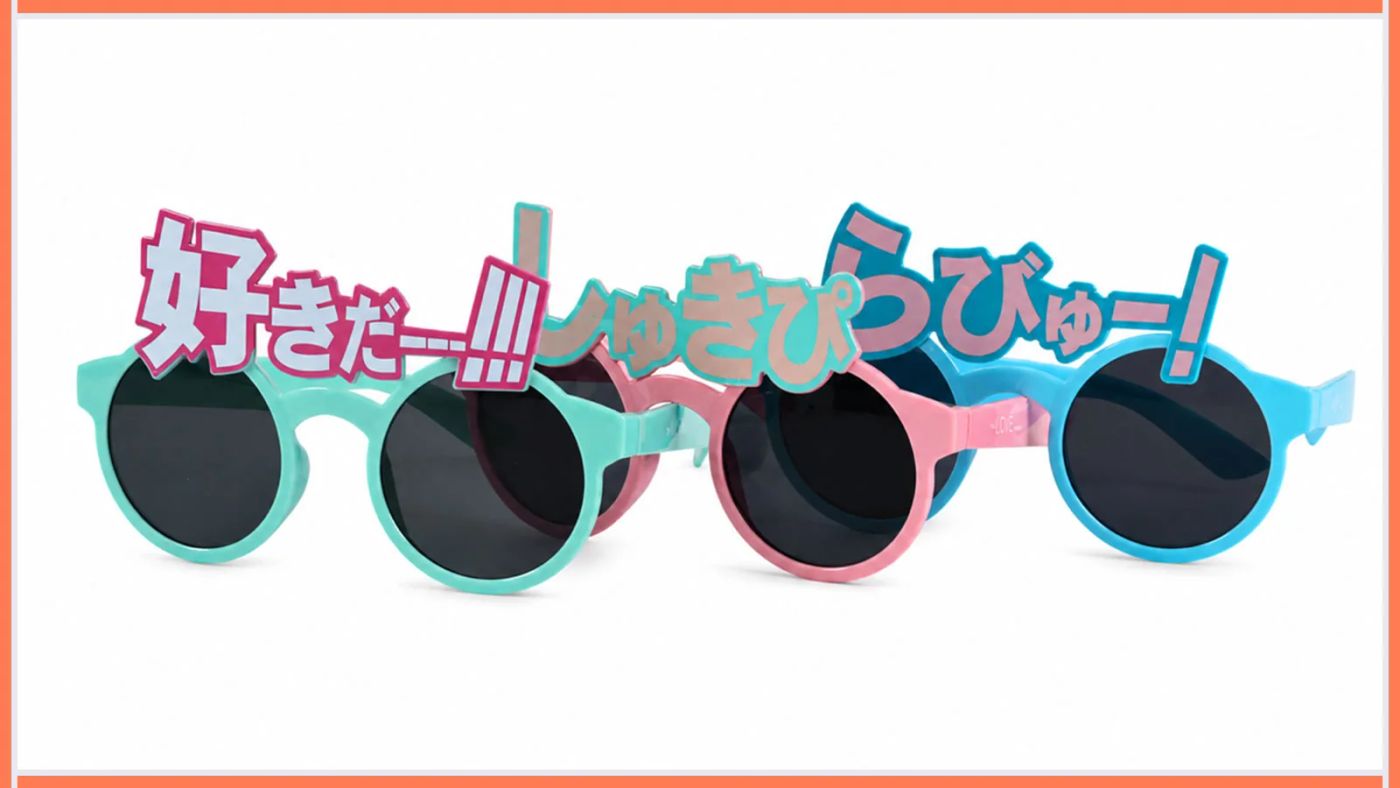
B2B buyers often need to balance trend relevance, evergreen styles, supplier minimums and working-capital limits. Clear guardrails before sampling and ordering reduce the risk of an assortment that is attractive on paper but difficult to replenish or sell through.
This guide provides a step-by-step roadmap to structuring a private label sunglasses assortment that minimizes inventory risk and maximizes sell-through.
Assortment planning dictates the exact mix of sunglasses a brand offers, balancing frame styles, lens colors, and price points. It must be finalized before opening molds or ordering raw materials, serving as the blueprint for your entire production run.
Done well, it accomplishes three things:
Private label can create more control over product, branding and margin structure, but the outcome depends on landed cost, sell-through, returns, markdowns and reorder performance. Model those variables with your own channel data instead of relying on generic margin benchmarks.
- Drives revenue by balancing high-margin basics with premium statement pieces.
- Communicates brand identity — every frame reinforces market positioning.
- Prevents dead stock by aligning quantities of core colors versus seasonal trends.
Step 1: analyze market trends and competitors
Identify current eyewear trends. Track sales data, search behavior, competitor launches, trade activity and relevant fashion signals, then separate short-lived details from longer product needs. Treat any proposed share for polarized lenses or trend styles as a testable hypothesis based on your customer, channel and price tier.
Conduct competitor assortment audits. Map direct competitors across:
Identify gaps where a private label can deliver unique value and avoid direct price wars.
Segment your customer base. Apply demographic, fit, use-case and channel segmentation. Boutique, wholesale, promotional and performance buyers may prioritize different combinations of design, unit economics, lead time and specification. DOMI's current product-development library includes more than 300 molds, which can help buyers explore existing shapes before deciding whether new tooling is justified.
- Price points and discount strategies
- Frame shapes and material choices
- Color options and lens technologies
Step 2: define your target audience and brand identity
Profile your ideal customer. Regional demographics dictate frame engineering:
Separate fashion-driven buyers (unique shapes, colors) from performance-focused customers (secure fits, specialized lenses).
Align assortment with brand DNA. Establish a cohesive aesthetic — minimalist, retro, sporty, or luxury — and anchor the collection through:
- Asian fit designs with deeper nose pads and flatter frame fronts
- Oversized frames for buyers seeking maximum coverage
- Narrower widths for youth or female-focused demographics
- Standardized metal accents and logo placement
- A signature color palette applied across frame shapes
- Consistent lens tints and surface finishes (matte or high-gloss)
Step 3: build the assortment architecture
Set goals and guardrails. Define target SKU count, budget limits, MOQ constraints, and margin targets before design begins. Mapping these against existing molds prevents overextension.
Establish the core collection. Anchor the catalog with shapes and colors supported by your own sales or retailer feedback. Classic silhouettes and neutral colors are common starting points, but do not label them proven performers until your channel data supports the claim.
Integrate seasonal and trend pieces. Reserve a controlled share of the buy for statement styles and limited colorways. Start with a range you can test, then adjust it using sell-through, return and reorder data rather than treating one percentage as universal.
Select the right product mix. Build a comprehensive matrix across:
Offering both matte and gloss finishes broadens appeal across buyer segments.
Balance width, depth, and SKU roles. Width = number of distinct shapes. Depth = colorways and lens variants per style. A focused launch outperforms a scattered one. Assign each SKU a role:
Choose architecture tiers. Structure the collection into entry, mid, and premium tiers. Premium frames carry exclusive lens treatments or custom sizes; entry-level tiers rely on standardized colors and basic UV protection.
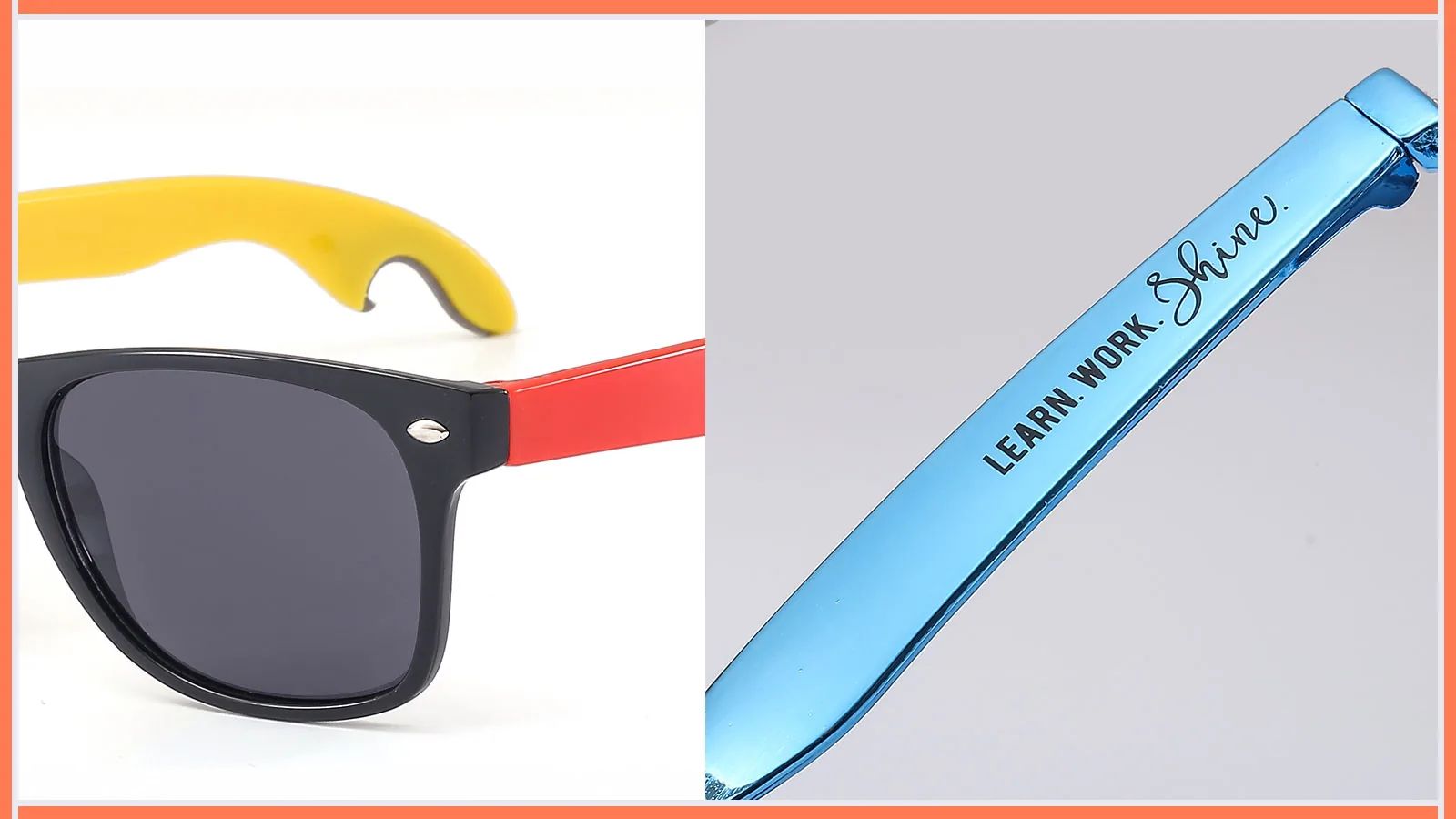
- Frame styles: classic silhouettes, fashion-forward designs, gender-neutral options
- Lens features: UV400, polarized, blue-light blocking
- Materials and colors: acetate, metal, TR90 in neutral and seasonal palettes
- Hero products drive volume and brand recognition
- Traffic-builders attract new buyers
- Niche products gather market feedback under controlled exposure
Step 4: establish design language and customization
A cohesive design language signals intentionality to customers and simplifies internal sourcing. Anchor the collection to a central theme tied to your target demographic — every new style should reinforce, not contradict, that direction.
Treat customization as a systematic design layer, not an ad-hoc feature:
Micro-details — logo engraving on the frame, decorative patterns on the inner temple — function as quality signals that elevate perceived value and deepen loyalty.
- Logo placement: consistent across temple, bridge, or lens
- Signature lens tints: 2–3 recognizable colors
- Hardware finishes: standardized hinges, nose pads, and accent metals
- Engraving or embossing: reserved for premium frames to justify price
Step 5: select materials and technical specifications
Specifying acetate at entry tiers and titanium or high-grade plastics at premium tiers creates a material-based quality ladder.
Lens technologies. UV400 protection is non-negotiable for every SKU. Beyond that, specify:
Polarized lenses are essential for driving, boating, and sport collections; non-polarized suits fashion-first lines where glare reduction is secondary.
- Frame materials. Acetate: CNC-machined and hand-polished; supports premium margins
- Injection-molded plastics (PC, TR90): high-volume, durable, lightweight
- Metal alloys (stainless steel, monel): classic aesthetic, complex shapes
- Bio-acetate and recycled plastics: sustainability positioning; expect slightly different shrinkage rates during molding
- Solid, gradient, or mirrored tints
- Anti-reflective back-surface coatings
- Scratch-resistant hard coatings on polycarbonate
- Oleophobic treatments to repel fingerprints
Calculate total landed cost
Landed cost includes the product, customization, sampling, packaging, testing, freight, duties, brokerage and inland handling. Compare scenarios using supplier quotations tied to the same specification; generic FOB ranges are rarely comparable.
Smaller runs may carry higher unit costs because setup, customization and testing are spread across fewer pieces. Ask for a quotation tied to the exact route and specification.
Evaluate upgrades with channel data: compare the incremental supplier cost of polarized or coated lenses with customer demand, claims, return risk and expected price realization. Do not assume one universal cost or retail uplift.
Set margin targets from your landed-cost model, channel fees, returns, markdowns and required contribution margin. The appropriate target varies by business model.
Plan promotional flexibility. Build markdown room into initial pricing. Design multi-pair bundles and seasonal gift sets to raise average order value without eroding brand value.
- Build a pricing ladder. Entry-level models drive acquisition and volume
- Mid-tier designs generate core revenue
- Premium halo products elevate the brand image
| Planning route | Typical scope | Cost drivers | Volume discussion |
|---|---|---|---|
| Ready-stock | Existing model with limited branding | Product choice, logo, packaging and freight | DOMI planning starts from 100 pcs, subject to model and scope |
| Semi-custom | Existing base with selected specification changes | Material, lens, color, logo, packaging and testing | DOMI planning starts from 300 pcs, subject to scope |
| Full-custom | New shape, tooling or deeper development | Tooling, engineering, materials, testing and packaging | DOMI planning starts from 2,000 pcs, subject to specification |
Step 7: adapt the assortment to sales channels
eCommerce. Online buyers cannot handle the frame before purchase, so photography, dimensions, fit guidance and clear variant naming matter. Start with a manageable number of colorways and use conversion, return and inventory data to decide whether to expand.
Retail and wholesale. Physical retail demands shelf impact — bright acetate frames and mirrored lenses draw foot traffic. Wholesale buyers expect structured line sheets grouped by lifestyle or performance. Weight brick-and-mortar assortments toward classic silhouettes in black and tortoiseshell; reserve experimental shapes for DTC.
Marketplace and omnichannel. Third-party marketplaces and retailers may impose their own listing, labeling, evidence and service requirements. Confirm each channel's current rules, keep product claims consistent with supporting evidence and plan inventory around channel-specific lead times.
Step 9: forecast inventory and plan the launch
Set initial buy quantities. Weight the launch heavily toward core styles and safe colors — a standard ratio places the majority of inventory in proven basics, with the remainder testing seasonal trends. Allocate by channel: high-traffic retail requires larger upfront volumes than niche eCommerce.
- Build a replenishment strategy. Separate fast movers from slow movers
- Set reorder points and lead-time buffers for bestsellers
- Plan continuity for core styles
- Schedule markdowns for slow trend pieces to free working capital
Step 10: validate before scaling
Test concepts. Request pre-production samples and review frame alignment, hinge tension, and lens clarity rigorously. Release limited runs to A/B test frame shapes and price points in real market conditions. Flexible manufacturing partners that allow smaller initial orders are consistently what keeps first launches from turning into dead-stock problems.
Measure launch performance. Track:
Identify bestsellers and underperformers by watching inventory movements. Stockouts signal missed revenue.
Refine and scale winners. Cut low-performing SKUs without hesitation — dead stock drains working capital. Shift budget toward the most profitable tiers and place larger volume orders for proven bestsellers.
- Sell-through rates to measure demand
- Conversion rates to validate pricing
- Return rates to identify fit issues
Step 11: build a seasonal assortment calendar
Plan around buying seasons. Spring and summer are the primary sunglasses peak — inventory must be ready by early March. Winter holidays and summer festivals create secondary windows, and resort collections perform well in December.
Build the calendar backward: start from the required in-store date and reserve time for assortment approval, sampling, revisions, production, inspection, freight and customs. Use current supplier and logistics estimates rather than a fixed six-month rule.
Time new launches strategically. Implement a minimum twice-yearly refresh cycle driven by sales data, not design intuition. Stagger colorway and style launches mid-season in smaller batches — this reduces inventory risk and creates a feedback loop for future collections.
Manage end-of-season transitions. Execute markdowns on underperforming seasonal colors by late August to clear space for holiday and resort inventory. Classic tortoiseshell and matte black frames rarely require clearance — they consistently carry over season to season. Begin planning next year's assortment while the current one wraps.
Packaging as a brand touchpoint
Packaging is the customer's first physical interaction with your brand. Align material, color, and structure with the identity defined during planning:
Standardize pre-printed packaging where possible to enable rapid seasonal customization and faster time-to-market. Coordinate specifications with your supplier during the materials phase to avoid last-minute cost increases.
- Premium positioning: rigid boxes, custom inserts, foil lettering
- Sustainable positioning: minimal, recyclable materials
- Retail shelf differentiation: matte finishes and foil detailing deliver immediate tactile and visual cues
Summary
Successful private label eyewear is never guesswork — it is the deliberate intersection of hard market data and distinct brand identity. A meticulously architected assortment reduces dead stock, optimizes cash flow, and builds long-term customer loyalty. Treat assortment architecture as a continuous cycle: routinely audit to close gaps, remove overlaps, and cut underperformers.
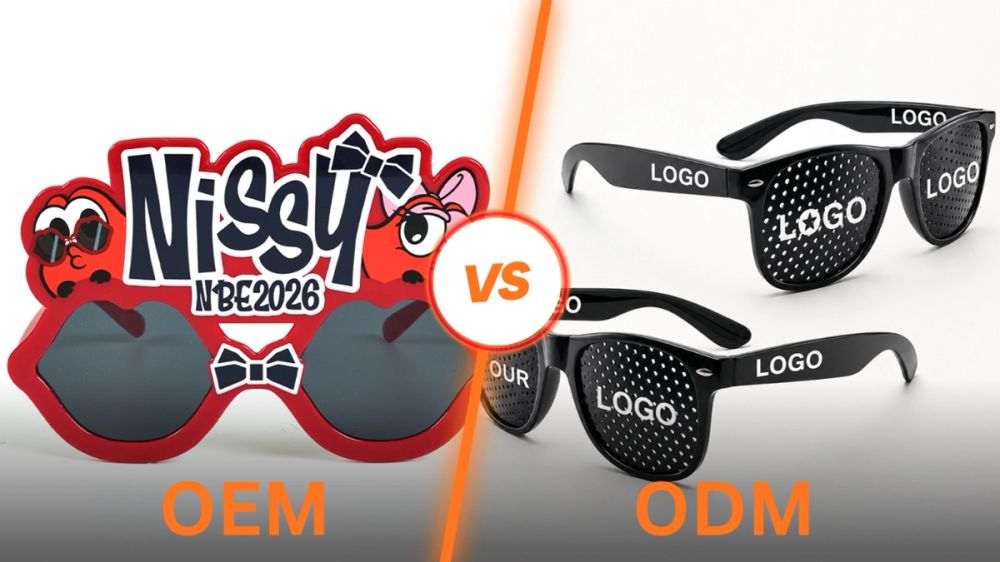
The next move is translating the plan into a line sheet and sample brief. Compare private label sunglasses options, review OEM vs ODM vs private label, and browse current product categories before deciding which concepts require new development.
FREQUENTLY ASKED QUESTIONS
Questions Buyers Often Ask
What is the MOQ for private label sunglasses?
MOQ depends on whether the project uses ready-stock, semi-custom or full-custom production. DOMI's current planning bands start from 100, 300 and 2,000 pieces respectively, subject to model, material, color, packaging, testing and capacity. See [what affects sunglasses MOQ, samples and lead time](https://domieyewear.com/resources/what-affects-sunglasses-moq-samples-and-lead-time/) for the decision factors.
How far in advance should i begin planning a seasonal launch?
Build backward from the target date. Allow time for research, sampling, design approval, production, inspection, freight and customs, then add a risk buffer. Actual timing varies by development route, revisions, capacity, destination and transport mode.
What hidden costs affect landed cost beyond FOB?
Beyond FOB, model freight, duties, brokerage, inland transport, testing, packaging, warehousing, returns and possible quality holds. Use a contingency range based on your own route and risk tolerance.
What are the typical FOB tiers for private label sunglasses?
There is no reliable universal FOB tier: material alone does not determine price. Compare quotations using one controlled specification that includes frame, lens, hardware, finishing, branding, packaging, testing, quantity and delivery terms.
Why do trial orders cost more per unit?
Smaller orders can cost more per unit because setup and fixed project costs are spread across fewer pieces. Use the trial to validate fit, finish, lens, branding and packaging, and request a project-specific quotation.
How do i adjust the assortment if a supplier delays production?
Communicate revised dates early. Protect the SKUs with the strongest demand or contractual importance, test whether safe capacity alternatives exist and compare the cost of expedited freight with the value at risk. Reducing breadth may be preferable to under-supplying every style.
What ratio of core to trend styles minimizes dead stock?
No single ratio fits every brand. Begin with a conservative core, a controlled trend allocation and a small test group, then rebalance using sell-through, returns, markdowns and reorder velocity.
PLANNING A SUNGLASSES PROJECT?
Turn the Guide Into a Clear Project Brief
Send DOMI your target style, quantity, artwork and delivery requirements.
Buying Guides
OEM vs ODM vs Private Label Sunglasses: What Is the Difference?
Read article →
Buying Guides
How to choose promotional sunglasses for a campaign
Read article →
Manufacturing & Quality