Manufacturing & Quality
Sunglasses Defect Classification: Critical, Major and Minor
A practical B2B guide to classifying critical, major and minor sunglasses defects, setting product-specific acceptance criteria and using AQL sampling without treating a generic threshold as a universal rule.What critical, major and minor defects mean
Article summary: A practical B2B guide to classifying critical, major and minor sunglasses defects, setting product-specific acceptance criteria and using AQL sampling without treating a generic threshold as a universal rule.
When a buyer, supplier and inspection company use different definitions of an acceptable defect, the same shipment can pass one inspection and fail another. A written defect-classification agreement reduces that ambiguity. It gives each observed problem a severity level, a clear acceptance criterion and a defined response before mass production begins.
This guide is an educational framework for B2B sunglasses orders. It is not a universal inspection standard, a legal opinion or DOMI's fixed acceptance policy. The final classification, test method, sampling plan and acceptance numbers should be agreed for the product, destination market, order size and risk level, then written into the purchase order or inspection specification.
A defect category describes the consequence of a nonconformity, not simply how visible it is. Buyers should first ask whether the issue creates a safety or regulatory risk, then whether it prevents normal use or materially affects saleability, and finally whether it is a limited cosmetic deviation within the approved boundary.
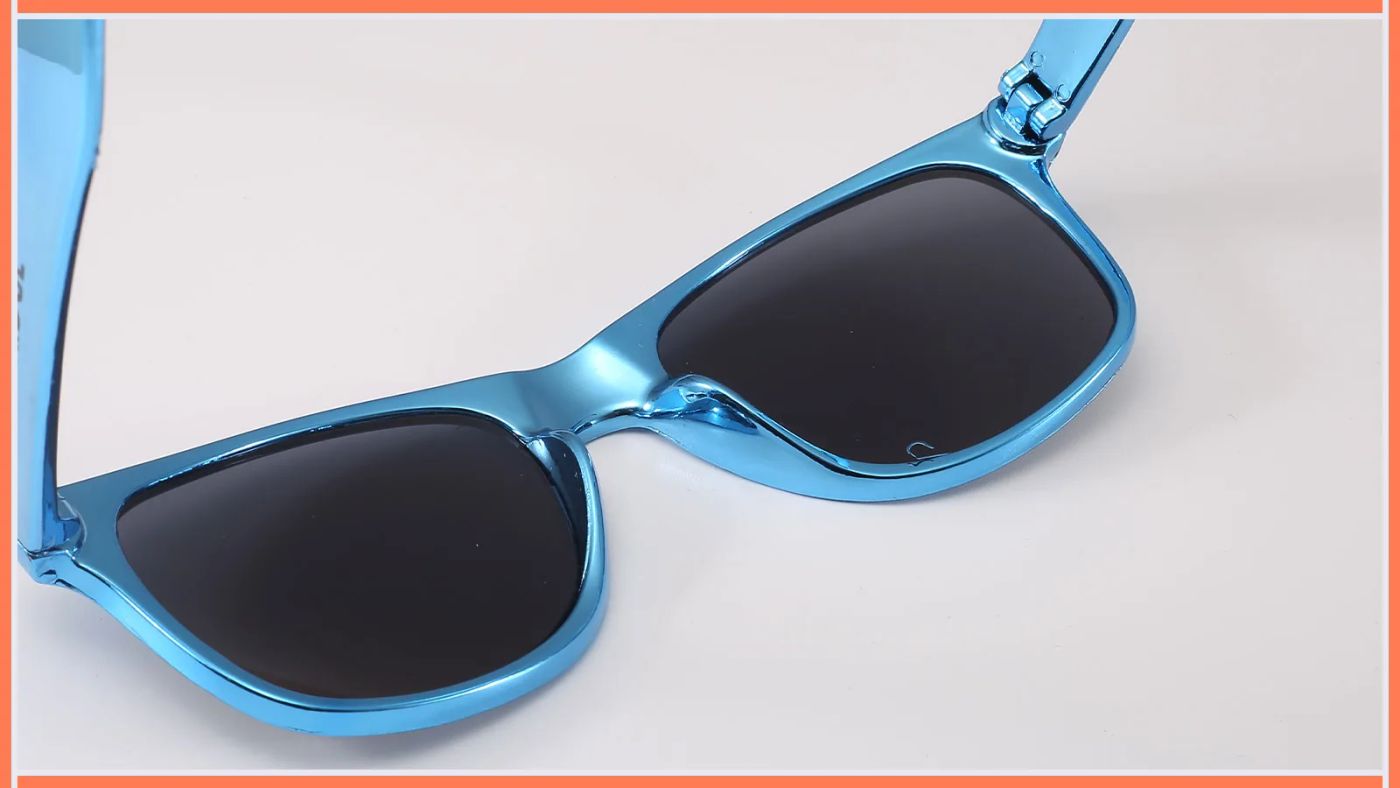
These examples are starting points. A defect can move between classes when its location, size, frequency or product claim changes. A faint mark hidden behind a frame rim may be minor, while a similar mark in the primary viewing area may be major. A labeling error may be major for one market but critical if it creates a safety or mandatory-compliance failure in another.
Do not confuse severity with AQL
Severity classification and AQL sampling answer different questions. Classification asks how serious one observed defect is. AQL sampling determines how many units to inspect and the acceptance or rejection numbers for the selected lot size, inspection level and AQL. AQL does not mean that a stated percentage of defects is automatically permitted in every shipment, and the label “critical” does not by itself generate a universal numeric rule.
Some buyers use zero acceptance for defined critical defects and separate AQL values for major and minor defects. Those values vary by product risk, buyer policy, destination market and contract. The correct acceptance number must be taken from the sampling standard and plan named in the order, not from a generic online example.
A practical classification method
1. Define the product and destination market. Record the exact SKU, materials, lens type, color, logo method, packaging, claims and destination market. The same symptom can carry a different risk depending on what the product promises and which requirements apply.
2. Set measurable acceptance boundaries. Replace phrases such as “good quality” or “no obvious defects” with criteria an inspector can repeat. Where relevant, define location, permitted size, viewing distance, lighting, equipment, cycle count, color reference and functional test.
3. Approve reference samples. Use an approved production sample or golden sample to show intended construction and appearance. For subjective cosmetic issues, defect-limit samples or photos should show acceptable and rejectable boundaries. Record approval dates and versions.
4. Assign severity before inspection. Create a defect list by product zone and classify known issues in advance. Inspectors should not improvise severity after seeing the lot result. New defects can be escalated for buyer review, with the decision documented.
5. Link the list to the sampling plan. The purchase order or inspection brief should name the sampling standard, inspection level, AQL values if used, lot definition and acceptance/rejection rules. Functional or laboratory tests may require a different sample plan from visual inspection.
6. Record disposition and corrective action. For a failed lot, state whether the agreed response is isolation, 100% sorting, rework, re-inspection or rejection. Preserve photos, unit identifiers, defect counts, sample size and corrective-action evidence.
Sunglasses defect examples by product zone
Content review is required before publication.
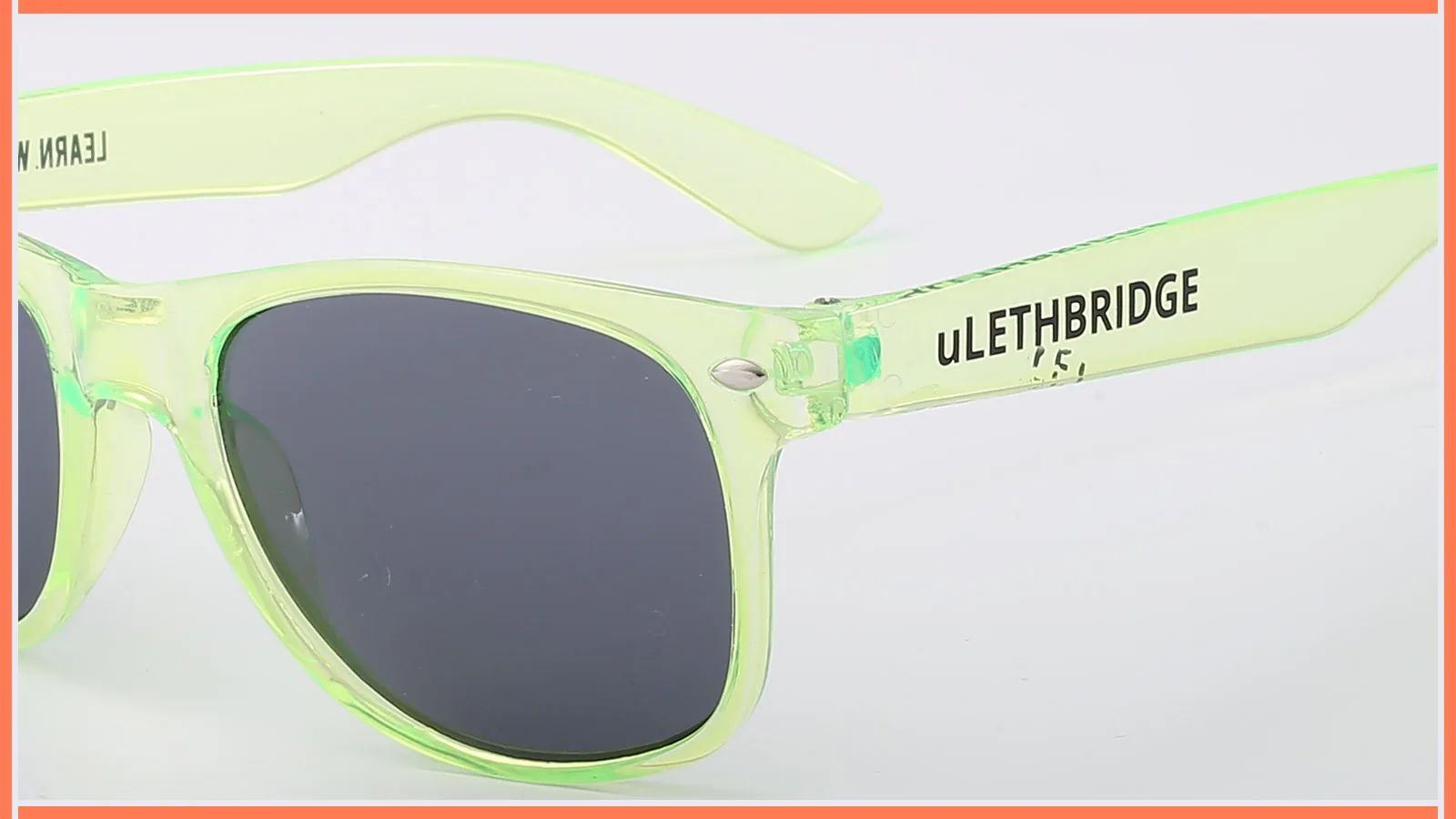
- Lens. Potentially critical: a verified failure of an applicable safety requirement or a hazardous fracture condition.
- Often major: optical distortion affecting normal wear, insecure lens retention, conspicuous scratches in the agreed viewing zone, or coating damage outside the approved limit.
- Often minor: a very small cosmetic mark outside the agreed viewing zone that does not affect use and remains within the signed-off limit sample.
- Frame, temples and hinges. Potentially critical: a sharp burr or exposed component that can injure the wearer.
- Often major: significant warpage, poor fit, loose or binding hinge action, structural cracking, or a component that fails the specified functional check.
- Often minor: a slight surface blemish in a low-visibility area within the agreed appearance tolerance.
- Logo, color and finish. Often major: the wrong artwork, materially incorrect placement, missing required mark, or color or finish outside the approved standard on a prominent area.
- Often minor: a small placement or finish variation that remains within the buyer-approved tolerance and does not reduce saleability.
- Classification should refer to approved artwork, a Pantone or physical color reference, logo dimensions, viewing method and the relevant print process rather than subjective preference.
- Packaging and labeling. Potentially critical: omission or error in mandatory safety information when that creates a legal or user-safety risk for the destination market.
- Often major: wrong SKU, barcode, quantity, buyer artwork or packaging that fails to protect the product.
- Often minor: a limited cosmetic packaging mark that does not affect protection, identification or retail presentation beyond the agreed limit.
How buyers can brief a manufacturer
A useful inspection brief should be short enough to use on the factory floor but specific enough to resolve disagreements. Include:
For a broader view of production and inspection stages, see DOMI's manufacturing and quality overview.
Buyers evaluating supplier fit can also review the DOMI factory profile.
DOMI can work with buyer-defined specifications and buyer-appointed third-party pre-shipment inspection. The inspection scope, sampling plan, standards, booking time and cost responsibility should be confirmed for each order. This does not mean one defect list or AQL setting applies to every DOMI product.
- product and order identifiers, destination market and approved sample version;
- a defect list grouped by lens, frame, hinge, logo or finish, labeling and packaging;
- severity for each known defect, with measurable pass/fail criteria;
- reference photos or limit samples for subjective cosmetic boundaries;
- the named sampling standard, inspection level and agreed AQL values where applicable;
- required functional or laboratory tests and the evidence to retain;
- the report format, photo requirements and decision owner for new defects;
- agreed responses for sorting, rework, re-inspection and rejection.
Common mistakes to avoid
Content review is required before publication.
- Copying generic AQL numbers without naming the sampling standard, lot size and inspection level.
- Treating every visible defect as major while overlooking functional or safety consequences.
- Using unverified certification or labeling assumptions across all products and markets.
- Leaving terms such as “obvious,” “acceptable” or “normal” undefined.
- Changing severity during inspection to force a desired pass or fail result.
- Failing to version-control approved samples, artwork and defect-limit references.
Conclusion
A workable defect-classification system turns subjective arguments into repeatable purchasing decisions. Define the product and market, set measurable boundaries, approve reference samples, assign severity in advance and connect the defect list to a named sampling plan. The result is not a universal table; it is a product-specific agreement that the buyer, manufacturer and inspector can apply consistently.
FREQUENTLY ASKED QUESTIONS
Questions Buyers Often Ask
Is every critical defect automatically AQL 0?
Not as a universal rule. Many buyers set zero acceptance for defined critical defects, but the actual sampling and disposition must come from the agreed inspection specification and applicable requirements. State the rule explicitly rather than assuming all parties use the same convention.
Can the same defect be major in one order and minor in another?
Yes. Location, size, frequency, approved appearance limits, intended use and destination-market requirements can change the consequence. The agreed specification and reference sample should explain the boundary.
Does a passing AQL inspection guarantee a defect-free shipment?
No. Sampling controls risk; it does not inspect every unit or guarantee zero defects. Combine an appropriate sampling plan with process controls, approved references and required product testing.
Who should decide the severity of a new defect?
The inspection brief should name the decision owner, normally the buyer or an authorized quality representative. The inspector should document the issue and avoid inventing a permanent classification without approval.
Should compliance testing be included in the visual AQL sample?
Not automatically. Visual inspection, functional checks and laboratory tests can require different methods and sample sizes. Define each test, its standard and the evidence needed for the specific product and market.
PLANNING A SUNGLASSES PROJECT?