
Buying Guides
How to Choose a Reliable Sunglasses Manufacturer: A B2B Buyer’s Checklist
A practical factory-vetting checklist covering product fit, samples, MOQ, quality control, compliance, communication and commercial terms.Start With a Project Brief, Not a List of Factories
A reliable sunglasses manufacturer is not simply the factory with the largest catalog or the lowest quote. Reliability means that the supplier can produce your specific product, document what has been approved and repeat that standard in bulk production. The same factory may be a strong fit for an injection-molded promotional frame and a poor fit for a complex metal or acetate program.
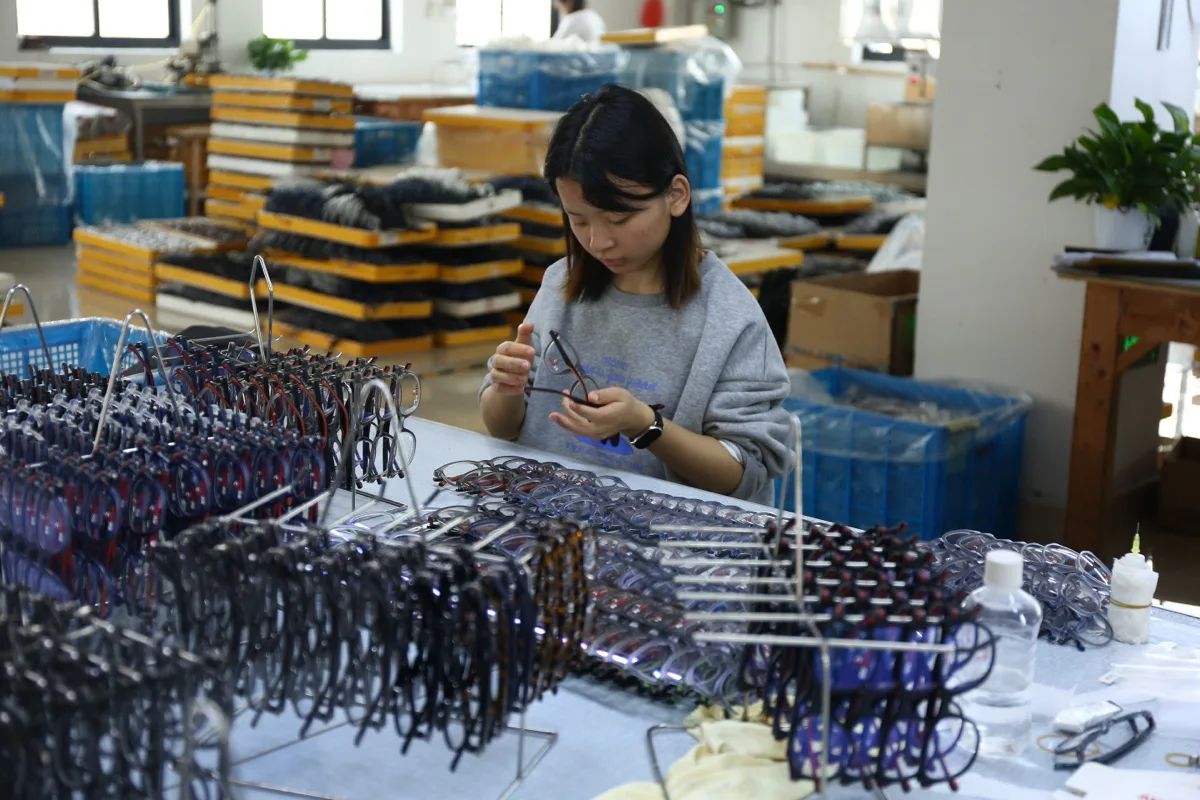
Before asking for prices, write a short brief that fixes the commercial boundaries of the project. Without it, suppliers may quote different materials, logo methods, packaging and timing assumptions, making the comparison almost meaningless.
- Target buyer, use case and destination market
- Reference product, drawing or preferred frame style
- Quantity split by style, color and logo design
- Frame material, lens direction, logo method and packaging
- Required sample, testing or third-party inspection
- Target delivery date and whether it includes international shipping
Match the Manufacturer to the Right Production Route
Many sourcing problems begin when buyers compare an existing-frame order with a full-custom development project as if they were the same service. Ask each supplier to state what already exists, what must be changed, whether a new mold is required and which physical sample will be approved before production.
DOMI currently separates enquiries into three practical routes. These reference figures help buyers plan, but the final MOQ and schedule depend on the selected model, quantity split, decoration, packaging and approval speed.
| Route | Starting point | Reference MOQ | Reference lead time |
|---|---|---|---|
| Ready-stock customization | Available style and color with logo and packaging | From 100 pairs | About 5–10 calendar days |
| Semi-custom development | Existing frame with coordinated color, lens, logo and packaging changes | From 300 pairs | About 20–30 calendar days |
| Full-custom development | New drawing, shape or structure requiring product development and tooling | From 2,000 pairs | About 40–60 calendar days |
Reference lead times begin after receipt of the 30% deposit and exclude international shipping. Sampling, artwork approval, packaging and project complexity can change the final schedule.
Verify Capability With Project-Specific Evidence
A polished website, a broad catalog or a factory video can support due diligence, but none proves that a supplier can control your exact product. Ask for evidence connected to the process you are buying: similar frame construction, the required logo or surface-treatment method, tooling experience for a new shape, and a clear sample-to-production workflow.
Also clarify which steps are handled by the factory and which depend on external partners. Outsourcing is common in eyewear supply chains; the important question is who sets the specification, checks incoming work and remains responsible when a component or finish does not meet the approved standard.
- Request recent, relevant product samples rather than unrelated best-selling models.
- Ask who controls mold development, injection, finishing, logo application, assembly and packing.
- Check whether engineering feedback identifies feasibility limits instead of agreeing to every request.
- Confirm how repeat orders are matched to the previous approved specification.
Use the Sample as a Written Production Standard
Sample approval should reduce uncertainty, not merely confirm that the sunglasses look acceptable in one photograph. Record the frame color, lens color and function, dimensions, hinge feel, logo size and position, surface finish, packaging and any approved deviations. If several samples were produced, identify which one is the final reference.
For full-custom sunglasses, the approval path may include a drawing or 3D proposal, a physical prototype, mold development and a molded trial sample. For an existing frame, the physical sample normally confirms the chosen product and the applied customization. Bulk production should not begin while revisions are still scattered across emails or chat messages.
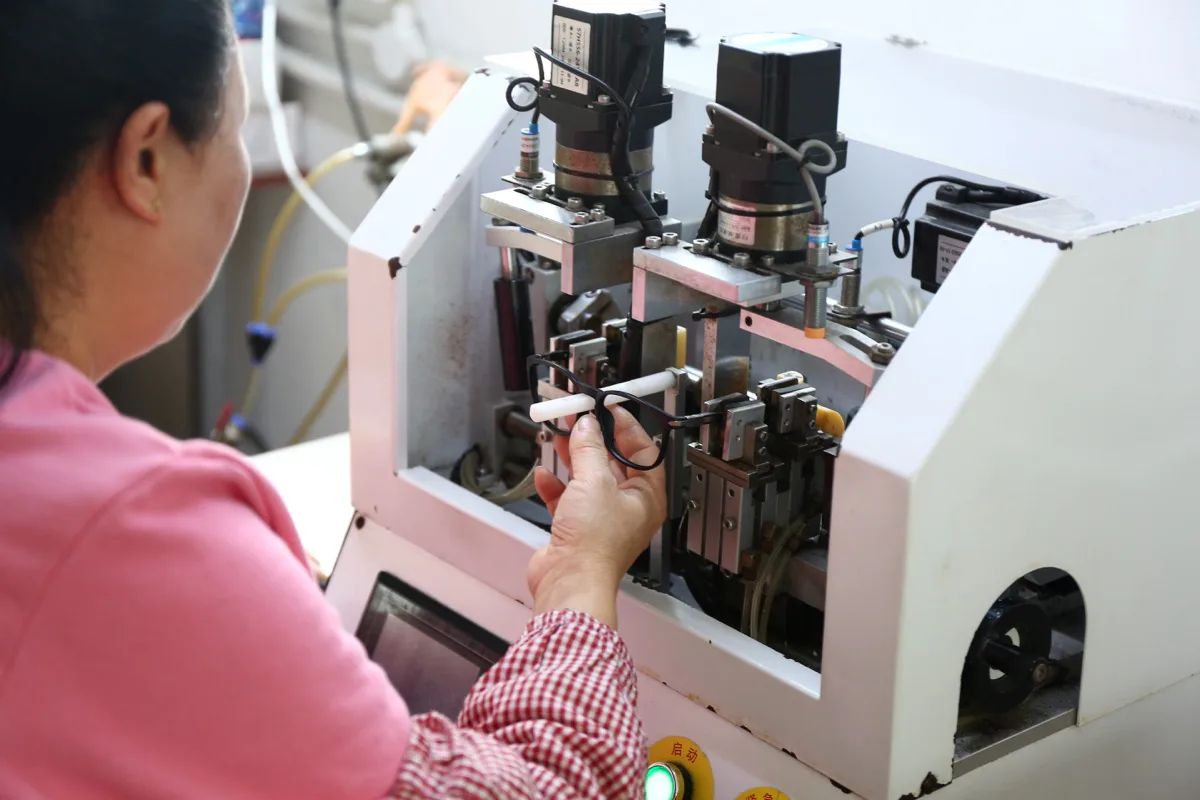
Inspect the Sample for Repeatable Details
A sample can be visually attractive and still hide production risk. Review the details that must remain consistent across hundreds or thousands of pairs. The exact checks should follow the product specification and target market rather than a generic pass/fail list.
For printed or heat-transfer graphics, check position, color, coverage, adhesion and visible scratches. For molded frames, review symmetry, edges, flash and component fit. For lenses, confirm the agreed color, function and any market-specific test requirement. Photograph issues clearly and send one consolidated revision list so that the supplier can close each item before approval.
- Frame symmetry, surface finish and sharp or unfinished edges
- Lens fit, visible distortion and the specified lens function
- Hinge movement, screw fit and temple alignment
- Logo clarity, position, color, coverage and adhesion
- Packaging, labels, carton marks and quantity per carton
Ask How Quality Is Controlled During the Order
Final inspection cannot correct a process that was never controlled. Ask where the supplier checks incoming components, production setup, decoration, assembly and packing. For a new process or multi-design order, early production checks are especially valuable because they can identify drift before the full quantity is completed.
If you require a buyer-appointed third-party inspection, agree on the timing, sampling method, acceptance criteria, inspection company and cost responsibility before production. DOMI can accommodate third-party pre-shipment inspection when the project scope is confirmed in advance.
| Control point | Useful evidence | Question to ask |
|---|---|---|
| Before production | Approved artwork, specification and reference sample | Which version authorizes bulk production? |
| Production setup | First-piece or early-run check | How are color, logo position and assembly settings confirmed? |
| In-process control | Inspection records or production photos | Which defects are checked before the order is complete? |
| Final inspection | Packing and finished-goods inspection result | What sampling method and acceptance criteria apply? |
| Third-party inspection | Buyer-approved inspection booking and report | Can the inspection be completed before final payment and shipment? |
Confirm Compliance by Product and Destination Market
Do not accept a general statement that every sunglass is ‘certified.’ Compliance depends on the selected product, lens, material, labeling and market where it will be sold. Give the supplier the destination market early and ask which existing documents apply to the exact model and which tests must be arranged for the order.
DOMI can provide relevant document support for many products, but applicability must be checked for the selected model and target market. When a buyer requires a particular laboratory, report, inspection or declaration, the scope and cost should be confirmed before the production schedule is fixed.
- Name of the test or standard and the market where it applies
- Product, material and lens covered by the report
- Report date, issuing laboratory and document validity
- Labeling, packaging or traceability information required for sale
Evaluate Communication and Change Control
Fast replies are helpful, but reliable communication is measured by accuracy. A capable sales and engineering team should restate the requirement, flag conflicts, separate confirmed items from open questions and explain how a requested change affects cost or timing.
During supplier evaluation, make one small controlled revision—such as a logo size, lens color or packaging detail—and observe how it is recorded. If the supplier cannot maintain one current specification during sampling, the risk grows when the order reaches production.
- One named contact owns the quotation and approval record.
- Drawings and artwork carry a version or approval date.
- Changes are acknowledged with their cost and schedule impact.
- Open questions are closed before deposit or bulk production.
Compare the Total Project, Not the Lowest Unit Price
Two quotations with the same unit price may carry very different risk. Normalize the specifications first, then compare sample charges, molds, logo setup, packaging, inspection, payment terms, freight assumptions and defect handling. If one quote is much lower, ask which material, process or service has changed.
DOMI’s standard commercial baseline is a 30% deposit and 70% balance, with no credit terms. For full-custom development, the buyer pays the mold fee; DOMI’s current policy is to refund that fee after cumulative orders exceed 50,000 pairs. The project quotation should still define the mold arrangement, revisions and design-use conditions in writing.
| Quotation item | What must be on the same basis |
|---|---|
| Product specification | Frame material, lens, components, finish and approved tolerances |
| Quantity | MOQ per style, color and logo design—not only total order quantity |
| Customization | Logo method, positions, colors and setup charges |
| Development | Sample type, revisions, tooling and mold terms |
| Packing | Individual packaging, labels, carton marks and carton quantity |
| Timing | Lead-time start point, buyer approvals and whether shipping is excluded |
| Quality | Inspection scope, acceptance criteria and defect resolution |
Watch for These Supplier Red Flags
No single signal proves that a supplier is unreliable. Repeated inconsistencies, however, usually point to weak process control. Pause the project when the supplier avoids documenting essential decisions or when the physical sample contradicts the written specification.
- The quote omits material, lens, logo, packaging or MOQ assumptions.
- Every request is accepted immediately without feasibility questions.
- The supplier will not identify the final approved drawing or sample.
- Compliance claims are not tied to the selected product and market.
- Sample defects are dismissed with a promise that bulk production will be better.
- Payment, tooling, ownership or defect handling remains verbal.
- Delivery dates are promised without stating when the lead time begins.
Use a Simple Scorecard to Shortlist Manufacturers
Score each candidate against the same brief and evidence. The weighting should reflect your project: a seasonal promotion may place more weight on schedule and multi-design control, while a proprietary frame should place more weight on engineering, tooling and change management.
Do not award full marks for a promise. Award them when the supplier provides a relevant sample, a clear process, a written term or another piece of evidence you can verify.
| Evaluation area | Suggested weight | Evidence to review |
|---|---|---|
| Relevant product capability | 20% | Comparable product, material and process evidence |
| Sampling and technical support | 15% | Approval path, revision control and sample accuracy |
| Quality control | 20% | Defined checkpoints, records and inspection access |
| Compliance support | 10% | Documents matched to product and destination market |
| Communication | 15% | Clear answers, feasibility feedback and change records |
| Commercial fit | 10% | Normalized quote, MOQ, payment and tooling terms |
| Lead time and repeatability | 10% | Realistic schedule, capacity plan and repeat-order method |
Adjust the weights before contacting suppliers. Use the same scale and supporting evidence for every candidate.
FREQUENTLY ASKED QUESTIONS
Questions Buyers Often Ask
What information should I prepare before contacting a sunglasses manufacturer?
Prepare the destination market, use case, product reference or drawing, quantity split by style and color, material and lens direction, logo artwork, packaging, testing needs and target delivery date. This allows each supplier to quote the same project basis.
How can I tell whether a sunglasses manufacturer is reliable?
Look for project-specific evidence: a clear production route, relevant samples, written specifications, realistic MOQ and lead time, defined quality checkpoints, product-specific compliance support and consistent change records. Reliability is demonstrated by repeatable controls, not by catalog size alone.
Should I request a sample before bulk sunglasses production?
Yes. Approve a physical sample appropriate to the route and record the frame, lens, dimensions, finish, logo and packaging. For full-custom work, drawing, prototype, mold and molded-sample approvals may be separate checkpoints.
What are DOMI’s reference MOQs and lead times?
Current references are 100 pairs and about 5–10 calendar days for ready-stock customization, 300 pairs and about 20–30 days for semi-custom work, and 2,000 pairs and about 40–60 days for full-custom development. Lead time begins after the 30% deposit and excludes international shipping; final terms depend on the product and approvals.
How should I compare quotations from different sunglasses suppliers?
Confirm that every quote covers the same materials, lenses, quantity split, customization, samples, molds, packaging, quality requirements, payment terms and timing boundaries. A unit price comparison is valid only after these assumptions are normalized.
What compliance documents should I ask a sunglasses manufacturer for?
Start with the destination market and selected product. Ask which reports or declarations apply to that exact model, material and lens, who issued them and whether new testing is required. Avoid treating a general factory certificate as proof that every product meets every market requirement.
Can DOMI support third-party inspection?
Yes. Buyer-appointed third-party pre-shipment inspection can be arranged. Confirm the inspection company, scope, sampling method, acceptance criteria, timing and cost responsibility before production.
PLANNING A SUNGLASSES PROJECT?
Turn the Guide Into a Clear Project Brief
Send DOMI your target style, quantity, artwork and delivery requirements.
Buying Guides
OEM Sunglasses Project Checklist: What to Prepare Before Sampling
Read article →
Customization
How to Manufacture Custom Sunglasses: A B2B Production Guide
Read article →
Manufacturing & Quality