
Manufacturing & Quality
Sunglasses Factory vs Trading Company
Choosing between a sunglasses factory and a trading company shapes pricing transparency, quality accountability, and compliance risk. This guide explains how each model works, where hybrid structures fit, and how procurement teams can verify supplier identity, production sites, and documentation.Why the distinction matters for procurement
Article summary: Choosing between a sunglasses factory and a trading company shapes pricing transparency, quality accountability, and compliance risk. This guide explains how each model works, where hybrid structures fit, and how procurement teams can verify supplier identity, production sites, and documentation before committing to an order.

When buyers request quotes for bulk or custom sunglasses, they often receive replies from a mix of manufacturers, trading companies, sourcing agents, and hybrid entities that combine elements of both. The label a supplier uses on its website or in an email is not always a reliable description of what actually happens behind the order.
The real questions for a procurement team are practical. These questions matter more than whether a company calls itself a factory or a trading company. Both models can deliver good outcomes, and both can fail buyers who skip verification.
- Who is the legal counterparty on the contract and invoice?
- Where is the product physically made, and by whom?
- Who is responsible when a quality issue, delay, or compliance question arises?
- What documentation can the supplier provide, and does it match the goods?
What a sunglasses factory typically is
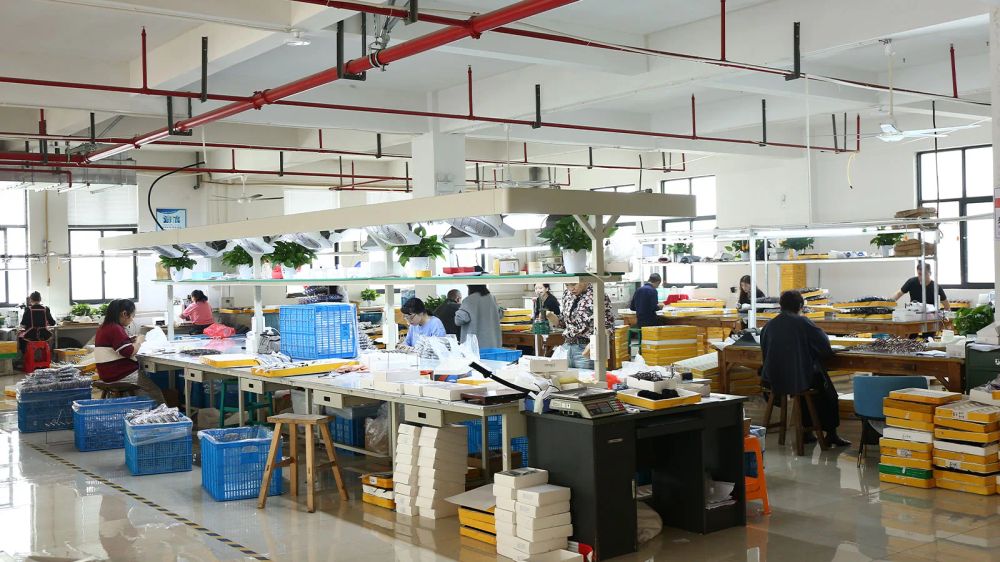
A sunglasses factory owns or directly operates production lines for at least part of the manufacturing process. Depending on the category, that can include:
Some factories are vertically integrated across most of these steps. Others specialize in one area (for example, acetate frames) and outsource complementary work such as lens sourcing or specialty coatings to trusted partners. Very few facilities produce every input in-house, so "factory direct" rarely means every component is made under one roof.
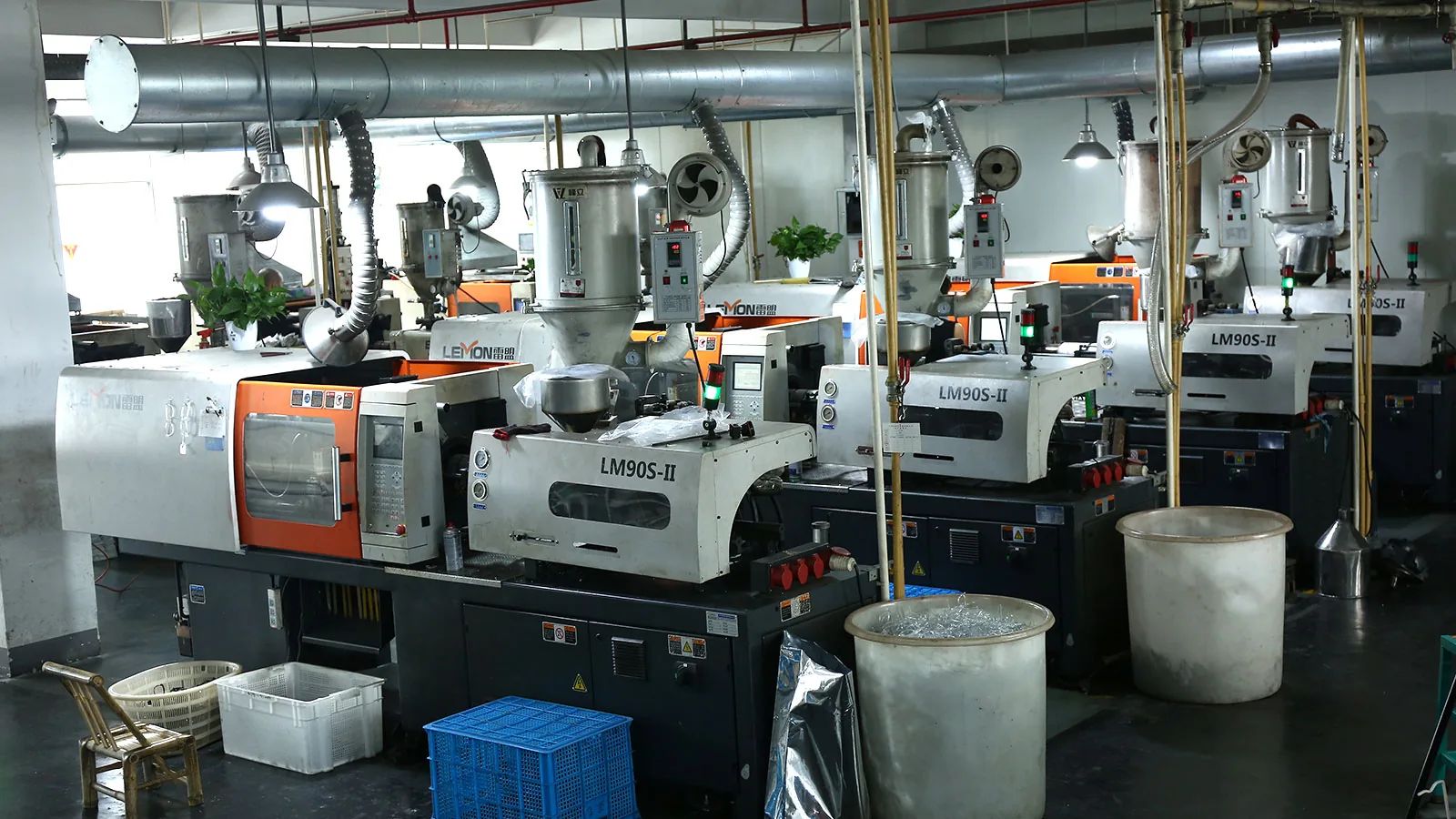
- Frame injection or acetate cutting and polishing
- Metal frame stamping, welding, and plating
- Lens cutting, coating, and assembly
- Hinge installation, screwing, and quality inspection
- Cleaning, packing, and cartoning
- Where factories tend to create value. Direct control over production scheduling and quality decisions
- Clearer visibility into material sources and process changes
- Easier access to engineers and tooling teams during development
- Potential for tighter feedback loops on OEM and ODM projects
- Where factories can be less convenient. Product range may be narrower than a buyer needs for a full assortment
- Small trial orders or highly mixed SKUs can be harder to accommodate
- Communication may be less polished if export teams are small
What a trading company typically is
A trading company sources finished or semi-finished goods from one or more factories and sells them to overseas buyers under its own contract. Good trading companies bring real value:
- Curated supplier networks across categories and price points
- Export documentation, packing, and shipping coordination
- English-language project management and after-sales support
- Consolidation of multiple SKUs from different factories into one shipment
- Where trading companies tend to create value. Broader assortment and faster sampling across styles
- Lower friction for buyers who need mixed categories (sunglasses, reading glasses, accessories)
- Experienced handling of documents, incoterms, and freight
- A single point of contact when several factories are involved
- Where trading companies can be less convenient. Additional margin sits between the buyer and the production cost base
- Technical questions may take longer if they have to be relayed to the factory
- Quality accountability can be diluted if the factory is not disclosed
- Confidentiality on custom designs depends on how the trader manages its supply chain
Hybrid structures are common
In practice, many suppliers sit between the two models:
None of these arrangements is inherently problematic. They can be efficient and transparent when the supplier is willing to explain the structure. The risk appears when a supplier claims to be a "factory" for every item in a broad catalog without being able to show which items are made in-house and which are sourced.
- A factory group that owns one production site but also trades products from partner factories to complete its catalog
- A trading company that has invested in a specific workshop or assembly line
- A brand-owning company that manufactures some SKUs and subcontracts others
- An export company legally separate from an affiliated factory for tax or licensing reasons
Pricing transparency without assuming margins
It is tempting to assume that buying from a factory is always cheaper than buying from a trader. In reality, the price you see depends on many variables:
A trading company with strong factory relationships and lean overhead can sometimes offer competitive pricing on standard items, while a factory quoting outside its core competence may not. Rather than assuming a fixed margin, procurement teams get better results by:
- Order size, SKU count, and packaging complexity
- Materials, lens technology, and coatings specified
- Tooling amortization for custom frames
- Whether the supplier is running the line at full capacity
- Currency, freight, and payment terms
- Requesting itemized quotes that separate frame, lens, packaging, and tooling
- Comparing at least two or three suppliers on the same specification sheet
- Asking what would change the price up or down (materials, MOQ tiers, lead time)
- Understanding which costs are recurring and which are one-time
MOQ, assortment, and flexibility
MOQ expectations vary widely across the industry and by product type, so it is not useful to quote a single number. What matters for the buyer is the fit between order structure and supplier capability:
Ask each candidate supplier to describe MOQ in the context of your actual product mix, not as a generic figure.
- Factories often prefer larger runs of fewer SKUs, because setup and changeovers affect line efficiency
- Trading companies may aggregate demand across buyers, which can help small orders on standard items
- Custom frames with new tooling usually have higher minimums regardless of channel
- Mixed assortments across many styles are easier when a supplier can pull from multiple sources
Customization, tooling, and IP
For OEM and ODM projects, the sourcing model has real implications for intellectual property and design control. If you are commissioning a custom frame shape, logo placement, color, or packaging, clarify in writing:
A helpful companion read is OEM vs ODM vs private label sunglasses, which explains how these arrangements differ and what each implies for control and cost. For projects moving into production, the OEM sunglasses project checklist covers the documentation steps that reduce risk regardless of whether you buy through a factory or a trader.
- Who owns the tooling and molds after the project
- Whether designs, tech packs, and 3D files are treated as confidential
- Whether the factory can produce your design for other customers
- How samples, pre-production units, and revisions are documented
Quality accountability
When a defect appears in a shipment, the practical question is who has the authority and the incentive to fix it. In a direct factory relationship, the production team is usually reachable and can adjust the process. In a trading arrangement, the trader typically handles the claim with the factory on your behalf, which can be efficient if the trader is well-organized or slow if responsibility is unclear.
Neither model is automatically better. What matters is:
- A written quality agreement with defined AQL levels and inspection criteria
- Clear responsibility for rework, replacement, or refund in the contract
- Access to third-party inspection before shipment
- Photographic and lab evidence for any dispute
Compliance and document verification
Sunglasses often need to meet destination-market requirements for UV protection, impact resistance, drop-ball testing, labeling, and materials safety. Common reference frameworks include ISO 12312-1, ANSI Z80.3, EN ISO 12312-1, and category-specific rules for children's eyewear or prescription lenses.
Whichever sourcing model you choose, verify:
A trading company can pass on factory reports, but the buyer should confirm the reports correspond to the goods being shipped, not a generic sample from a different production batch.
- Test reports from recognized laboratories, matching the specific SKU and material
- Consistency between the tested sample and mass-production units
- Correct category labeling (0-4) and CE, UKCA, FDA, or other marks as required
- Restricted-substance information relevant to your destination market
- Whether reports are current and issued to a traceable legal entity
Verifying supplier identity and production site
Regardless of label, ask each supplier to substantiate its structure:
Useful verification steps include:
The guide on how to choose a reliable sunglasses manufacturer expands on these verification steps in more detail.
- Business license, scope of business, and registered address
- VAT or export license and the name on the commercial invoice
- Names and locations of production sites
- Ownership relationship between the sales entity and the factory
- Years in operation, categories produced, and export markets served
- Video walkthroughs of the production floor with a live date reference
- Third-party audits (social, quality system, or customized)
- On-site visits by your team or a local representative
- Cross-checking company registration through public databases
- Requesting references from existing customers in comparable markets
A neutral decision matrix
The table below is a starting framework, not a scorecard that automatically favors either model. Weightings depend on your category, order size, and internal capacity.
Use this matrix alongside your own priorities. A buyer who values a wide assortment and consolidated shipping may reasonably prefer a strong trader, while a brand focused on a specific custom frame may prefer to work directly with a factory that has the right tooling capability.
| Criterion | Direct factory | Trading company | Hybrid supplier |
|---|---|---|---|
| Assortment breadth | Often narrower | Often broader | Depends on network |
| Technical dialogue | Usually direct | Usually mediated | Mixed |
| Small mixed orders | Can be harder | Often easier | Case by case |
| Custom tooling projects | Direct control | Adds a layer | Depends on ownership |
| Documentation traceability | Often clearer | Requires diligence | Requires diligence |
| Single-point logistics | Sometimes limited | Often stronger | Varies |
| Margin structure | One margin | Additional margin | Mixed |
A staged sourcing approach
For most B2B buyers, a phased process reduces risk more than any single decision about model:
This process works for both models because it focuses on evidence rather than labels.
- Define the scope. SKUs, materials, target market, certifications, packaging, and volumes.
- Shortlist candidates. Include both factories and traders that fit the category.
- Send a common RFQ. Same specification, same questions, same document requests.
- Assess responses. Look at clarity, technical accuracy, and willingness to disclose structure.
- Sample and test. Order paid samples and, where relevant, commission independent lab tests.
- Verify identity and site. Company documents, video, and ideally an on-site audit.
- Pilot order. A limited first production run with third-party inspection.
- Review and scale. Evaluate quality, communication, and documentation before increasing volume.
Where DOMI fits
DOMI is a China-based sunglasses supplier serving B2B buyers with bulk and custom orders. You can learn more about the company on the About DOMI page, and read a general overview of production and quality practices on the DOMI manufacturing and quality overview page. Buyers are encouraged to conduct their own verification, sampling, and inspection as part of any sourcing decision.
FREQUENTLY ASKED QUESTIONS
Questions Buyers Often Ask
Is a factory always cheaper than a trading company?
Not necessarily. Pricing depends on order size, specification, capacity utilization, and overhead. A trader with efficient operations can be competitive on some items, while a factory operating outside its core competence may not offer the best price.
How do I know if a supplier is really a factory?
Ask for the business license, the production address, and a live video walkthrough. Cross-check the name on the invoice against the entity that owns the factory. Where the value of the order justifies it, arrange an on-site audit through your team or a third party.
Can trading companies handle custom OEM projects?
Yes, many do. The key is transparency about which factory produces the item, how tooling ownership is handled, and how confidentiality is protected. Written agreements matter more than the label on the supplier website.
What documents should I request before placing an order?
Request the business license, relevant certifications and test reports for your destination market, a signed specification sheet, a quality agreement with AQL levels, and clear terms on tooling, IP, and after-sales responsibility.
Should I avoid hybrid suppliers?
No. Hybrid structures are common and can work well. The concern is not hybrid status itself but a lack of clarity about which items are produced in-house, which are sourced, and who is accountable when issues arise.
PLANNING A SUNGLASSES PROJECT?
Turn the Guide Into a Clear Project Brief
Send DOMI your target style, quantity, artwork and delivery requirements.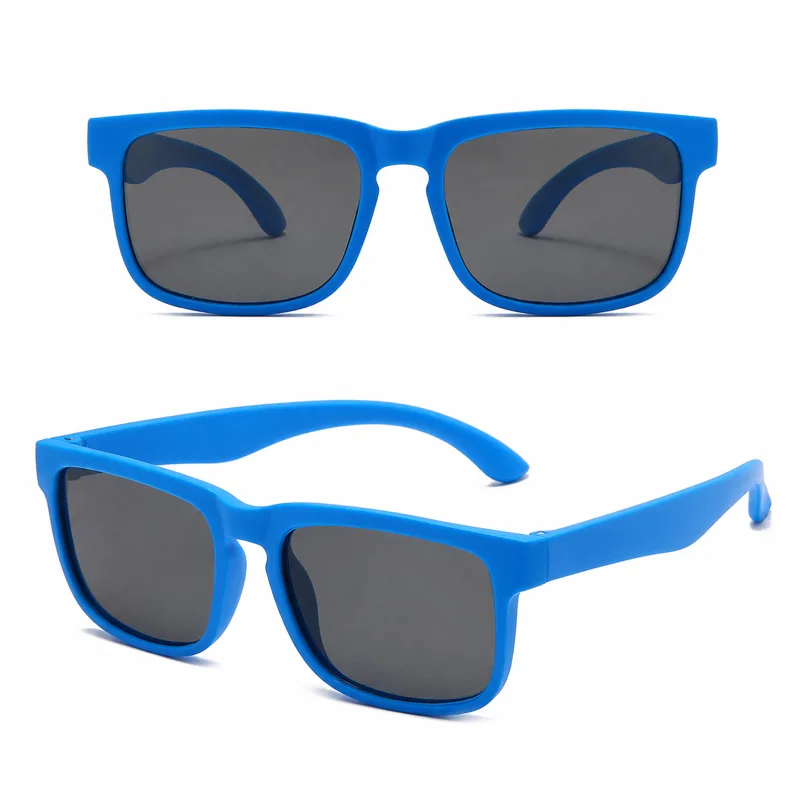
Manufacturing & Quality
Sunglasses Factory Audit Checklist
Read article →
Manufacturing & Quality
Custom Sunglasses MOQ Guide
Read article →
Buying Guides